
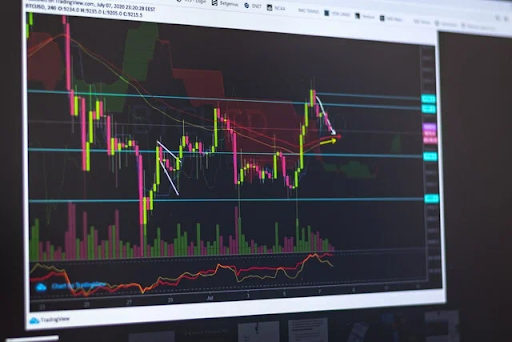
Overtrading is one of the most common mistakes traders make, often leading to unnecessary losses and emotional burnout. It occurs when traders execute too many trades, either due to impulsiveness, greed, or an attempt to recover previous losses. While trading actively is not necessarily a bad thing, excessive trading can lead to poor decision-making, increased transaction costs, and emotional stress.
One effective way to combat overtrading is by utilizing alerts and notifications available on trading platforms. These tools help traders stick to their strategy by setting predefined conditions that trigger alerts when market conditions are met. Instead of constantly monitoring the market and placing impulsive trades, traders can rely on these notifications to act only when necessary.
In this article, we will explore ten ways you can use alerts and notifications to avoid overtrading on forex trading platforms. By implementing these strategies, you can trade more efficiently, stay disciplined, and protect your capital from unnecessary risks.
- Set Price Alerts for Entry and Exit Points
One of the main reasons traders overtrade is the urge to react to every market movement. Instead of constantly watching charts, set price alerts for your planned entry and exit levels. When the price reaches your target, your platform will notify you, allowing you to execute trades based on your predefined strategy rather than emotions.
- Use Daily Trade Limit Alerts
To prevent excessive trading, set a daily trade limit alert on your platform. This feature notifies you when you have reached a certain number of trades in a day, reminding you to stop and reassess. Setting a limit helps you avoid revenge trading and ensures that you do not exceed your risk tolerance.
- Enable Drawdown Notifications
Overtrading often stems from trying to recover losses quickly, which can lead to even bigger losses. Use drawdown alerts to notify you when your account equity drops below a certain level. If you receive a notification that you are nearing your maximum risk limit, it serves as a reminder to step back and reassess your strategy.
- Set Time-Based Alerts
Many traders enter trades impulsively when they spend too much time watching the markets. To avoid this, set time-based alerts that remind you to take breaks and step away from the screen. For example, you can set notifications to check the market only at specific times, preventing you from making unnecessary trades outside of your trading plan.
- Use News Alerts to Avoid Emotional Trading
Unexpected market news can trigger emotional trading, leading to impulsive decisions. By setting alerts for major economic events and news releases, you can stay informed without reacting prematurely. Your trading platform can notify you before important news events, allowing you to assess market conditions objectively rather than trading based on sudden emotions.
- Automate Take Profit and Stop Loss Alerts
Instead of manually monitoring trades, use automated take profit and stop loss alerts to notify you when your targets are reached. This helps prevent overtrading by reducing the temptation to interfere with trades unnecessarily. When you receive a notification that your take profit has been hit, you can secure your gains without feeling the need to open new trades impulsively.
- Set RSI or Overbought/Oversold Alerts
The Relative Strength Index (RSI) and other technical indicators help traders identify overbought and oversold conditions. By setting alerts when the RSI reaches extreme levels, you can avoid entering trades based on market noise. These alerts help you focus on high-probability setups instead of chasing every price movement.
- Create a Trading Journal Notification System
Keeping a trading journal is crucial for improving discipline, but many traders neglect it. You can set reminders on your platform to log your trades after each session. Reviewing your trades with notifications helps you stay accountable and recognize patterns of overtrading before they become a problem. By consistently reviewing your journal, you can recognize early signs of overtrading and take corrective action before it impacts your performance. Over time, this habit helps reinforce discipline, allowing you to trade more strategically and avoid unnecessary risks driven by emotion or market noise.
- Use Trend Reversal Alerts to Filter Bad Trades
Overtrading often happens when traders try to predict market reversals too frequently. Instead of guessing, set trend reversal alerts based on moving averages or trendline breakouts. These alerts notify you only when there is a strong confirmation of a trend shift, reducing the chances of entering unnecessary trades.
- Implement a “Cooling-Off” Notification
A “cooling-off” notification is a valuable tool to help traders maintain discipline and avoid impulsive decisions caused by emotional trading. Overtrading often happens when traders experience a series of wins or losses, leading to overconfidence or frustration. By setting up a notification that reminds you to pause after reaching a predetermined number of trades or losses, you can step back, reassess your strategy, and regain emotional control.
This type of alert acts as a safeguard against revenge trading, which occurs when traders try to recover losses quickly by placing unnecessary trades. It also prevents excessive trading after a winning streak, where traders may feel invincible and take reckless risks.
When the notification triggers, take a break from the market, review your trading journal, and analyze your recent decisions. This pause allows you to reflect on whether you are following your strategy or trading based on emotions. Implementing a “cooling-off” notification ensures a structured and disciplined approach, helping you stay consistent and protect your capital in the long run.
Overtrading can be a dangerous habit that leads to emotional stress, increased costs, and unnecessary losses. However, by using alerts and notifications effectively, traders can stay disciplined and stick to their strategy. Setting price alerts, daily trade limits, drawdown notifications, and other strategic alerts can help reduce impulsive trading decisions.
Instead of reacting to every market movement, forex brokers in Dubai can use these tools to trade smarter, avoid unnecessary risks, and improve their overall performance. By implementing these ten strategies, you can develop better trading habits, minimize overtrading, and protect your capital for long-term success. Stay disciplined, trust your trading plan, and let alerts and notifications guide you to more strategic decision-making.