
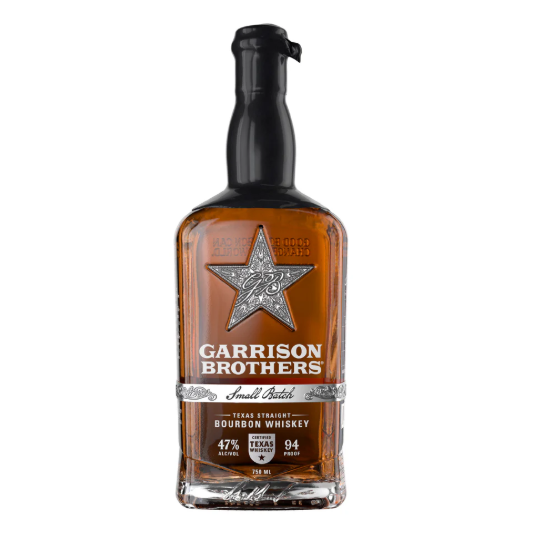
In recent years, bourbon enthusiasts and casual whiskey drinkers alike have become more discerning about what fills their glass. Among the growing number of choices available on shelves, small-batch bourbon continues to stand out for its exceptional craftsmanship, character, and complex flavor. Unlike mass-produced whiskey brands that focus on volume and consistency, small batch bourbons reflect attention to detail and a deep respect for the aging process. But what exactly makes this category of bourbon unique?
Craftsmanship Over Volume
The key difference between small batch bourbon and mainstream whiskies lies in scale and selection. Small batch bourbon is typically produced using a limited number of barrels—often ranging from 10 to 50—which allows distillers to blend barrels with complementary profiles carefully. This contrasts with large-scale production, which may involve hundreds or even thousands of barrels being mixed to ensure a uniform taste across millions of bottles. By working with fewer barrels, small batch producers can capture subtle notes of spice, fruit, or charred oak that might be lost in mass production.
Quality of Ingredients and Barrel Aging
Another major distinction is the quality of ingredients used. While most bourbons adhere to the minimum legal requirement of 51% corn in their mash bill, small batch bourbon producers often experiment with premium grains like rye, barley, or wheat to enhance flavor depth. The barrels used in small-batch production are also often hand-selected and charred to exacting standards, ensuring optimal aging conditions.
The aging process for small batch varieties is usually longer and more closely monitored than it is for large-scale distilleries. This commitment to aging not only enriches the final flavor but also ensures that each release maintains a unique identity—something that mass-market brands often struggle to achieve.
Flavor Complexity and Taste Profile
Thanks to the close attention paid to every production stage, small batch bourbon often exhibits a richer and more complex flavor profile than its commercial counterparts. You may find deeper notes of caramel, vanilla, dried fruits, or spices depending on the blend and age. The depth of flavor makes small-batch bourbon a favorite among collectors and connoisseurs who are constantly seeking new and rare releases.
Interestingly, this artisanal approach has parallels with international whiskey cultures, particularly Japanese whiskey. It also prioritizes balance, purity, and tradition in a way that resonates with small batch bourbon lovers. While the flavor profiles differ, the philosophy behind the production methods shares significant overlap.
Pricing and Availability
Small-batch products are typically more expensive due to limited production, higher-quality ingredients, and longer aging periods. They’re also less widely available, sometimes released as seasonal or one-time editions. While mass-market brands cater to broad consumer bases, small batch distillers target a niche segment that values exclusivity and superior quality.
This focus on excellence over accessibility is also reflected in how whiskey is marketed and consumed. Like small-batch bourbon, many renowned Japanese whiskey labels are released in limited editions, often commanding high prices on the secondary market due to their scarcity and exceptional craftsmanship.
Conclusion
For those who appreciate complexity, character, and authenticity, small-batch bourbon offers a compelling alternative to mass-produced whiskey brands. It invites drinkers to explore nuanced flavors that come from thoughtful blending, premium ingredients, and careful aging. Just as Japanese whiskey has earned a global reputation for its dedication to craft, small-batch bourbon continues to elevate the standard of American whiskey with each carefully curated bottle.
Whether you’re a longtime bourbon lover or new to the world of whiskey, tasting the differences firsthand will deepen your appreciation. The growing interest in Japanese whiskey and its parallels with small-batch bourbon indicate that consumers worldwide are increasingly seeking quality over quantity.