
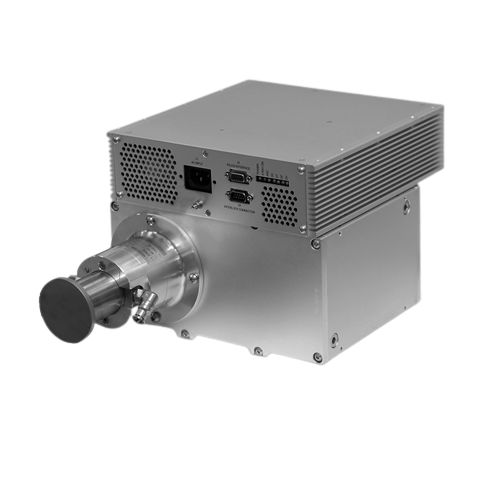
Healthcare imaging has evolved rapidly over the last decade, driven by demand for accuracy, safety, and operational efficiency. An integrated x-ray generator plays a central role in this transformation by combining power generation, control electronics, and safety mechanisms into a compact and reliable unit. These systems are no longer limited to large hospitals; they are now widely used in diagnostic centers, mobile imaging units, dental clinics, and veterinary practices. Understanding how modern generator technology works helps decision-makers choose equipment that aligns with clinical needs, regulatory standards, and long-term performance goals.
The evolution of medical imaging power systems
Early imaging equipment relied on bulky and separate components that were difficult to maintain and operate. Over time, engineering advances reshaped how electrical power is generated and controlled for imaging purposes.
- Transition from analog to digital control improved precision
- Reduced equipment size made installation easier
- Enhanced stability ensured consistent image quality
- Better heat management increased system lifespan
These developments paved the way for compact and intelligent solutions used in today’s diagnostic environments.
Core components that define modern generator design
A well-designed imaging power system is built on several essential components working together seamlessly. Each part contributes to image clarity, patient safety, and operational efficiency.
- High-frequency inverter for stable voltage output
- Microprocessor-based control unit for accurate exposure settings
- Safety circuits that protect against overloads and fluctuations
- Cooling mechanisms to maintain optimal operating temperature
Together, these elements support reliable imaging even in high-demand clinical settings.
Why compact integration matters in clinical environments
Space and workflow efficiency are major concerns in modern healthcare facilities. Compact integration reduces clutter and simplifies system installation.
- Smaller footprint allows flexible room layouts
- Fewer external connections reduce installation errors
- Simplified maintenance lowers downtime
- Improved reliability supports continuous patient flow
Clinics benefit from systems that blend performance with practical design considerations.
Performance consistency and image quality
Consistent electrical output directly impacts diagnostic accuracy. Stable power delivery ensures that each exposure produces predictable and repeatable results.
- Uniform voltage minimizes image artifacts
- Accurate timing improves contrast and detail
- Reduced exposure variability enhances diagnostic confidence
- Optimized output supports advanced imaging techniques
High-quality imaging ultimately leads to better clinical decisions and improved patient outcomes.
Safety considerations for patients and operators
Safety remains a top priority in medical imaging. Modern generator systems incorporate multiple layers of protection to safeguard both patients and healthcare professionals.
- Precise exposure control limits unnecessary radiation
- Built-in monitoring detects abnormal conditions
- Automatic shutdown features prevent equipment damage
- Compliance with international safety standards ensures trust
These features help facilities meet regulatory requirements while maintaining ethical imaging practices.
Adaptability across medical specialties
Imaging needs vary widely across different medical fields. Flexible generator technology allows one system to support multiple applications.
- General radiography for routine diagnostics
- Dental imaging requiring compact and precise output
- Orthopedic applications demanding higher power ranges
- Veterinary imaging with adaptable exposure settings
This adaptability makes the x-ray machine generator a valuable investment for diverse clinical environments.
Role of digital control and automation
Automation has transformed how imaging equipment is operated. Digital interfaces simplify workflows and reduce the risk of human error.
- Pre-programmed exposure settings save time
- Touchscreen controls improve usability
- Data logging supports quality assurance programs
- Remote diagnostics enable proactive maintenance
Automation enhances efficiency while maintaining consistent imaging standards.
Energy efficiency and operational cost benefits
Rising energy costs have pushed healthcare facilities to seek more efficient equipment. Modern generator systems are designed with sustainability in mind.
- High-frequency technology reduces power consumption
- Efficient heat dissipation lowers cooling requirements
- Longer component lifespan minimizes replacement costs
- Reduced downtime improves overall productivity
Energy-efficient solutions contribute to both financial savings and environmental responsibility.
Maintenance and long-term reliability
Ease of maintenance is a critical factor when selecting imaging equipment. Integrated systems simplify servicing and troubleshooting.
- Fewer external components reduce failure points
- Modular design allows quick part replacement
- Built-in diagnostics identify issues early
- Manufacturer support ensures long-term reliability
Reliable equipment helps facilities maintain uninterrupted diagnostic services.
Compliance with global standards and regulations
Medical imaging equipment must meet strict regulatory guidelines. Modern generator designs align with international standards to ensure safe and effective use.
- Compliance with IEC and ISO standards
- Adherence to radiation safety regulations
- Quality certifications build institutional confidence
- Standardized testing ensures consistent performance
Regulatory compliance is essential for legal operation and patient trust.
Future trends in imaging generator technology
Innovation continues to shape the future of medical imaging. Emerging trends focus on smarter, smaller, and more connected systems.
- Integration with AI-driven imaging platforms
- Enhanced connectivity for hospital networks
- Further reduction in size and weight
- Improved efficiency for mobile and remote applications
These trends promise to expand access to high-quality imaging worldwide.
Training requirements and staff efficiency
Advanced imaging systems are only as effective as the professionals who operate them. Proper training ensures that clinical staff can fully utilize generator capabilities without compromising safety or image quality.
- User-friendly interfaces reduce learning curves
- Standardized protocols improve consistency across operators
- Reduced retakes save time and protect patients
- Ongoing training supports compliance and best practices
Well-trained teams contribute directly to smoother workflows and better diagnostic outcomes.
Impact on workflow optimization
In busy diagnostic environments, time efficiency is critical. Generator performance influences how smoothly patients move through imaging departments.
- Faster exposure cycles reduce waiting times
- Reliable output minimizes repeat scans
- Simplified setup supports high patient volumes
- Predictable performance enhances scheduling accuracy
Optimized workflows improve patient satisfaction and staff productivity.
Application in mobile and remote imaging units
Access to diagnostic imaging is expanding beyond traditional hospital settings. Compact generator technology plays a key role in this shift.
- Lightweight designs support mobile vans
- Stable power output suits variable environments
- Lower power requirements enable remote deployment
- Durable construction ensures reliability in transit
These features help extend diagnostic services to underserved regions.
Customization options for diverse clinical needs
No two healthcare facilities operate the same way. Modern systems offer configurable options to match specific diagnostic requirements.
- Adjustable power ranges for varied procedures
- Software customization for specialty imaging
- Compatibility with different detectors
- Scalable designs that grow with facility needs
Customization ensures long-term value and operational flexibility.
Conclusion
Choosing the right generator technology is a strategic decision that affects diagnostic accuracy, safety, workflow efficiency, and long-term operational costs. Modern integrated solutions deliver consistent performance, advanced safety, and adaptability across a wide range of medical applications, making them a practical choice for today’s healthcare environments. For clinics, hospitals, or diagnostic centers looking to invest in dependable imaging systems, VJ X-Ray is a trusted service provider and a specialized facility. They provide expert support, quality assurance, and tailored solutions.