
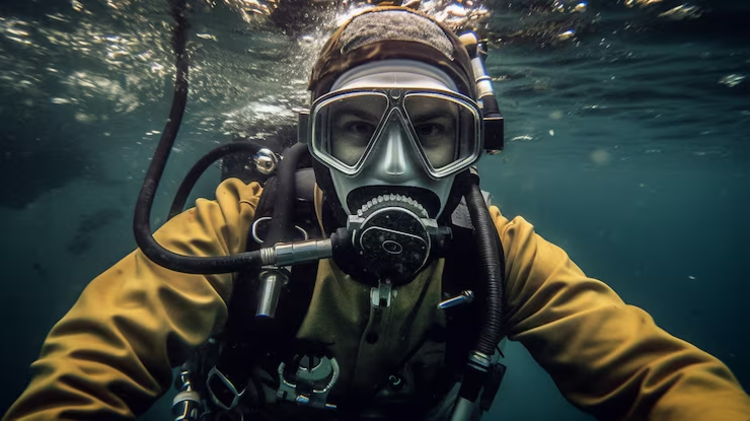
For experienced divers seeking to transform their passion into a professional diving career, the koh tao dive master course represents an excellent pathway. The Divemaster certification—scuba diving’s professional entry level—qualifies you to guide recreational divers, supervise training, and conduct dive operations professionally. Koh Tao, with its world-class diving, year-round diving conditions, and numerous professional dive operators, provides ideal conditions for Divemaster training and subsequent career development. Understanding Divemaster requirements, course content, career pathways, and practical considerations helps divers making informed decisions about professional diving careers.
Understanding Divemaster Certification and Professional Role
The Divemaster certification marks transition from recreational to professional diving.
What Divemaster Certification Represents
Divemaster certification qualifies you to work professionally as a dive guide, leading recreational divers on dive adventures. Divemasters demonstrate mastery of diving skills, comprehensive knowledge, professional judgment, and ability to ensure diver safety and satisfaction. The certification represents your professional credibility.
Professional Responsibilities and Authorities
Divemasters guide dives, supervise student training, conduct safety briefings, and ensure divers receive high-quality, safe experiences. Divemasters are not dive instructors (requiring additional training) but professional dive guides and assistants.
Career Opportunities and Growth Pathways
Divemaster certification opens numerous pathways—dive guide work, liveaboard diving, dive resort positions, underwater instructing, or advanced professional specializations. Many divers transition to Dive Instructor or specialized professional roles.
Divemaster Course Structure and Requirements
Understanding course components clarifies training expectations.
Prerequisites and Entry Requirements
Courses typically require minimum Advanced Open Water certification (some operators accept Open Water with dive experience), excellent diving skills, professional attitude, and commitment to learning. Age requirements vary (typically 18+).
Course Duration and Time Commitment
Divemaster courses typically require 3-5 weeks of intensive training depending on operator and your diving experience. The extended timeline compared to recreational courses reflects substantial knowledge acquisition and skill development required.
Course Components and Training Modules
Training includes classroom study covering dive theory, professional regulations, business operations, rescue techniques, and commercial diving practices. In-water components develop rescue skills, guiding techniques, and professional-level competency.
Why Koh Tao Is Ideal for Divemaster Training
Multiple factors make Koh Tao exceptional for professional development.
Professional Diving Infrastructure
Koh Tao hosts numerous professional dive operators, facilities, and training centers. This professional infrastructure provides genuine workplace experience while training.
Consistent Diving Conditions
Year-round warm water, excellent visibility, varied dive sites, and manageable conditions enable frequent diving during training. Consistency accelerates skill development.
International Diving Community
Koh Tao attracts divers and diving professionals worldwide. This cosmopolitan diving community provides networking opportunities and exposure to international diving practices.
Career Opportunities Upon Completion
Numerous Koh Tao dive operators actively recruit trained Divemasters, offering employment opportunities immediately after certification. Location proximity to employers facilitates employment transition.
Affordable Training Costs
Koh Tao’s competitive market makes Divemaster training more affordable than most countries while maintaining quality standards.
Divemaster Course Content and Skills Development
Comprehensive training develops professional-level competency.
Advanced Diving Skills Training
Courses develop rescue diving, deep diving, navigation, and other advanced skills. You learn techniques for assisting divers in distress, managing dive operations, and solving underwater problems.
Knowledge Modules and Academics
Comprehensive study covers diving physics, physiology, decompression, environmental concerns, professional standards, and business operations. This knowledge enables informed professional decisions.
Rescue and Emergency Techniques
Developing rescue capabilities proves essential. Training covers recognizing diver problems, executing rescues, and managing emergencies—potentially life-saving competencies.
Professional Communication and Guiding Techniques
Learning to communicate underwater, provide effective briefings, guide dives professionally, and ensure diver satisfaction are crucial competencies. These interpersonal skills distinguish excellent divemasters.
Career Pathways After Divemaster Certification
Divemaster certification opens diverse professional opportunities.
Dive Guide Work and Employment
Immediate employment opportunities exist as dive guides at dive resorts, on liveaboard vessels, or with commercial diving operations. Guide work enables earning while developing further experience.
Dive Instructor Career Progression
Many Divemasters advance to Instructor certifications enabling diving instruction. This progression enables higher earnings and greater professional impact.
Specialized Diving Professions
Beyond recreational diving guidance, opportunities exist in technical diving, commercial diving, underwater research, or specialty diving services.
Business and Entrepreneurship
Some Divemasters establish dive shops, tour operations, or specialized diving services. Divemaster certification provides foundation for business development.
Practical Considerations for Divemaster Training
Understanding logistical and practical aspects facilitates smooth training.
Cost Considerations and Financial Planning
Divemaster courses represent significant investment (typically $1,500-$4,000 USD). Factor in training costs, accommodation, meals, and living expenses during extended training period.
Time Commitment and Work Considerations
The 3-5 week intensive training period requires dedicated time commitment. Plan for training without other work obligations ensuring full attention.
Living in Koh Tao During Training
Most training involves moving to Koh Tao temporarily. Budget for accommodation and living expenses during your training period.
Equipment Investment
While basic equipment is included in training, professional dive guides typically invest in personal equipment—masks, fins, computers, lights.
Assessing Divemaster Readiness
Determining your readiness for professional diving requires honest self-assessment.
Diving Experience and Skill Assessment
Evaluate your diving experience honestly. Extensive recreational diving experience strengthens Divemaster training outcomes.
Professional Aptitude and People Skills
Successful divemasters possess customer service orientation, communication skills, and patience. Assess your comfort working with diverse people in demanding situations.
Physical and Mental Fitness
Diving professionally demands physical capability and psychological readiness for responsibility. Honest assessment prevents difficult situations.
Conclusion
The Koh Tao Divemaster course provides an excellent pathway to professional diving, combining world-class training in an ideal diving destination with realistic career opportunities. By thoroughly preparing, honestly assessing your readiness, choosing quality training centers, and committing fully to the training process, you develop professional-level competency enabling rewarding diving careers. Whether advancing to diving instruction, working as a professional guide, or pursuing specialized diving professions, Divemaster certification provides the foundation for transforming diving passion into professional fulfillment.
For more information visit us : teachdiary.com