
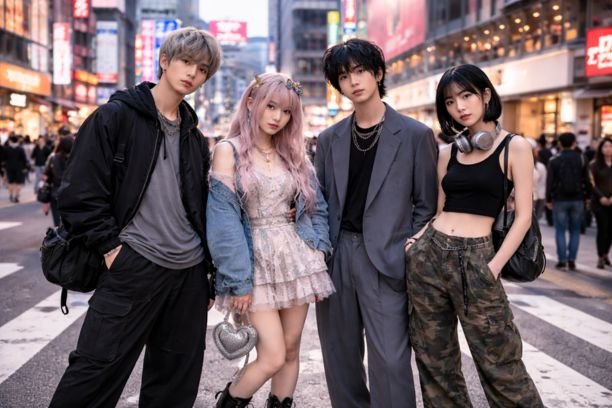
Tokyo has always stood apart as a global fashion capital, known for its fearless experimentation and deep respect for craftsmanship. In 2026, Tokyo fashion continues to evolve in exciting ways, blending street culture, high design, sustainability, and technology into a style ecosystem that feels both futuristic and deeply rooted in Japanese identity.
1. The Identity of Tokyo Fashion in 2026
Tokyo fashion is not defined by a single trend or aesthetic. Instead, it thrives on diversity and self-expression. In 2026, fashion in the city reflects a mix of:
- Individual creativity over mass trends
- Gender-fluid and non-binary silhouettes
- A balance between comfort, functionality, and artistry
Rather than following global fashion rules, Tokyo sets its own — allowing personal style to flourish at every level, from luxury runways to everyday streetwear.
2. Street Fashion: The Heart of Tokyo Style
Street fashion remains the backbone of Tokyo’s influence. Areas like Harajuku, Shibuya, and Shimokitazawa continue to act as living runways where young people experiment freely.
Key Streetwear Trends in 2026
- Oversized tailoring and relaxed fits dominate wardrobes, prioritizing comfort without sacrificing style.
- Gender-neutral fashion is mainstream, with clothing designed for expression rather than labels.
- Layering culture remains strong, combining textures, lengths, and contrasting fabrics.
- Vintage and thrifted pieces are widely embraced, reflecting both sustainability and individuality.
Tokyo’s youth culture values originality, often mixing luxury items with second-hand clothing to create looks that feel personal and unconventional.
3. Runway Fashion and Designer Innovation
Tokyo’s fashion designers in 2026 continue to push creative boundaries. Collections often blur the line between art and fashion, featuring:
- Experimental silhouettes
- Deconstructed tailoring
- Story-driven collections inspired by culture, technology, or social themes
Designers frequently combine traditional Japanese techniques — such as intricate textile work or kimono-inspired shapes — with modern materials and futuristic construction. The result is fashion that feels bold, thoughtful, and globally influential.
4. Sustainability as a Core Movement
Sustainability is no longer optional in Tokyo fashion — it is a core value. In 2026, the industry places strong emphasis on:
- Upcycling and garment reuse
- Eco-friendly fabrics and low-waste production
- Slow fashion over fast-changing trends
Many designers are reworking traditional textiles and old garments into contemporary designs, giving new life to heritage materials while reducing environmental impact.
5. Technology and Fashion Innovation
As a technology-driven city, Tokyo naturally integrates innovation into fashion. In 2026, this includes:
- Smart fabrics that adapt to temperature and movement
- Digital fashion experiences and virtual runway shows
- Tech-enhanced retail spaces offering immersive shopping
Fashion tech is not just about novelty — it supports comfort, functionality, and new ways for consumers to engage with clothing.
6. Everyday Fashion and Lifestyle Influence
Tokyo’s everyday fashion in 2026 emphasizes practical elegance. Popular elements include:
- Neutral tones paired with statement accessories
- Comfortable footwear like sneakers and platform shoes
- Functional bags and layered outerwear
Accessories play a major role, often acting as the focal point of an outfit. Rather than designer logos, people focus on pieces that reflect personality and mood.
7. Global Influence and Cultural Impact
Tokyo fashion continues to inspire designers, brands, and youth culture worldwide. Its influence can be seen in:
- Global streetwear trends
- Gender-inclusive fashion movements
- The rise of expressive, non-conforming style
What makes Tokyo unique is its ability to absorb global influences while transforming them into something distinctly local and original.
Conclusion
In 2026, Tokyo fashion stands as a powerful expression of individuality, innovation, and cultural depth. From the vibrant streets to avant-garde runways, the city continues to challenge fashion norms while celebrating creativity and craftsmanship. Tokyo does not follow trends — it creates them, proving once again why it remains one of the most influential fashion capitals in the world.