
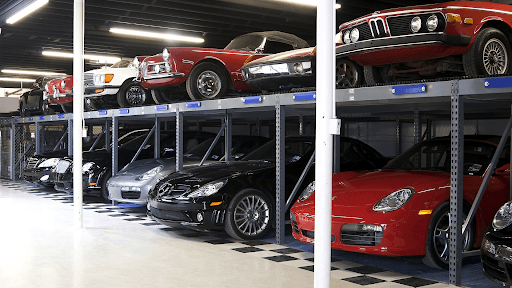
Leaving a car unused for weeks or months can cause more problems than expected. Dust, moisture, sunlight, pests, battery drain and tyre pressure loss can slowly affect a vehicle when it is not driven regularly. Whether you are travelling for an extended period, moving abroad, renovating your home or simply have an extra vehicle, proper preparation can help keep the car in good condition.
Choosing the right car storage method is not only about finding a covered parking space. The vehicle needs protection before, during and after the storage period. From cleaning the car to checking the battery and tyres, a few simple steps can reduce the chances of damage and make the vehicle ready to use when you need it again.
Why Proper Car Storage Matters
A car is made to be driven regularly, so leaving it stationary for a long time can affect several parts. Fluids can deteriorate, tyres can lose pressure, the battery can discharge and moisture can build up inside or around the vehicle.
Outdoor parking can create additional problems. Continuous exposure to rain, sunlight, dust and changing temperatures may affect the paint, rubber components and interior. Birds and pests can also cause unexpected damage.
This is why long-term storage requires more planning than simply parking the vehicle and covering it. Good car self storage rent solutions provide a controlled and organised place where the vehicle can remain protected while it is not being used.
1. Clean the Car Before Storing It
Always clean the exterior and interior before putting the car into storage. Dirt, mud, bird droppings and other deposits can affect the paint if they remain on the surface for a long time. Wash and dry the exterior properly. Pay attention to the wheels and areas underneath the vehicle where dirt can collect. Cleaning the interior is equally important. Remove food packets, bottles, papers and other items that may attract insects or create unpleasant odours.
A clean vehicle is easier to inspect when you take it out of storage and can also reduce the chances of stains, corrosion and pest-related problems.
2. Check the Engine Fluids
Before long-term storage, check the important fluids in the vehicle. Engine oil, coolant, brake fluid and other fluids should be at appropriate levels.
Old engine oil can contain contaminants that may not be ideal for a vehicle sitting unused for an extended period. If the vehicle is due for an oil change, completing it before storage is a sensible step.
It is also useful to check for any existing leaks. A small leak that seems harmless during everyday driving could become a bigger concern when the vehicle remains parked for months.
3. Take Care of the Battery
Battery discharge is one of the most common issues with a car that remains unused. Even when the engine is switched off, some electrical systems continue to use a small amount of power.
Depending on the vehicle and the expected storage period, the battery may need to be disconnected or connected to a suitable battery maintainer. If you are unsure about the correct procedure, check the vehicle manufacturer’s instructions or ask a qualified technician.
Do not leave a weak or damaged battery unattended for a long storage period. Addressing the problem before storage can make it easier to start the vehicle later.
4. Protect the Tyres
Tyres can gradually lose air pressure when a vehicle remains stationary. Long periods in the same position can also contribute to flat spots. Check the tyre pressure before storing the car and follow the manufacturer’s recommended pressure. Inspect the tyres for cracks, cuts or unusual wear.
For very long storage periods, it may be useful to move the vehicle occasionally if the storage arrangement and safety conditions allow it. However, this should only be done when appropriate and when the storage facility permits vehicle movement.
5. Use a Suitable Car Cover
A good-quality, breathable car cover can protect the exterior from dust and minor environmental exposure. Avoid using a cover that traps moisture against the paint. If the car is stored indoors in a clean, controlled environment, extensive covering may not always be necessary. However, a suitable cover can still help reduce dust accumulation and keep the vehicle ready for use.
The important point is to use a cover designed for cars rather than placing a plastic sheet directly over the vehicle.
Conclusion
Long-term vehicle protection starts before the car enters storage. Cleaning it thoroughly, checking fluids, protecting the battery, maintaining tyre pressure and choosing a secure storage environment can prevent many common problems. Regular records and a careful inspection before and after storage can also make the entire process easier.
The right storage arrangement depends on how long the vehicle will remain unused and the level of protection it needs. Rather than treating storage as simple parking, consider it part of your vehicle maintenance routine. With proper preparation and a reliable facility, your car can remain protected until you are ready to drive it again.
Avati Safe Storage offers reliable vehicle storage for customers who need a secure place for their cars during travel, relocation, limited parking or other temporary situations. With secure premises, CCTV monitoring and organised storage support, Avati helps keep your vehicle protected while it is away from home. Their convenient pickup and retrieval service also makes long-term storage simpler and less stressful.
For More Info Visit:- teachdiary.com