
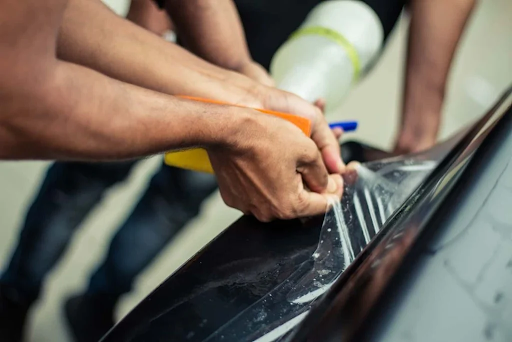
Getting a new car wrapped or protected is not a decision most owners make casually. Apart from choosing the right film, there is installation quality, maintenance, expected lifespan and, of course, the final bill to consider. Two things that often get overlooked are the PPF warranty card and the factors that determine car wrapping cost.
Although PPF and vinyl wraps are different products, understanding both can help car owners avoid unpleasant surprises later. A warranty card tells you what protection the film manufacturer stands behind, while a wrapping quotation tells you what you are paying for the installation and material.
What Is a PPF Warranty Card?
The PPF warranty card can be described as documentation of the warranty offered by the manufacturer or authorized installer of the film.
This card will have such information as the product, date of installation, details about the car, duration, and conditions of filing a claim for the warranty.
The warranty may vary depending on the brand and the product.
Some of the warranties might cover cases of yellowing, peeling, cracking, and bubbling when these occur due to material defects.
What must be understood is that a warranty does not offer protection from all forms of damages. The warranty might not cover damage from accidents, poor cleaning, and even improper repair.
What Should You Check on the Warranty?
Don’t put the card in the glovebox and forget about it.
Before leaving the installation centre, check that the details are correct. The film or product name should be clearly mentioned, along with the installation date and warranty duration where applicable.
Read the exclusions as well. These can be more important than the headline warranty period.
Ask whether the warranty is provided directly by the manufacturer, the installer or both. You should also know what happens if the film develops a covered defect. Is the affected panel replaced? Is labour included? Does the vehicle owner have to return to the original installer?
A few minutes spent asking these questions can prevent confusion later.
What Influences Car Wrapping Cost?
Now consider vinyl wrapping.
Car wrapping cost varies considerably from one vehicle to another because several elements go into the final quotation.
Vehicle size is an obvious factor. A compact hatchback requires less vinyl than a large SUV, and complex body shapes can require additional labor.
The material itself also matters. A standard gloss vinyl will generally have a different price from premium metallic, satin, matte, textured or colour-shifting material.
Coverage is another major consideration. A full-body wrap will cost more than wrapping only the roof, bonnet, or selected panels. Finally, installation expertise affects the price.
Why Cheap Quotes Can Be Misleading
When comparing car wrapping cost, it is tempting to select the lowest quotation.
But two quotes that look similar on paper may involve completely different materials and workmanship.
One installer may include surface preparation, edge finishing and a better-grade vinyl, while another may offer a cheaper material and minimal preparation.
Ask for the exact brand and series of vinyl being used. Also clarify whether removal of an existing wrap, surface correction or post-installation inspection is included.
A slightly higher initial quotation can sometimes reflect better material and more careful workmanship rather than unnecessary markup.
PPF and Vinyl Wrap Are Not Interchangeable
This distinction is worth remembering.
A vinyl wrap is primarily a styling product. It can change the colour and finish of the vehicle and provides some protection against everyday surface exposure.
PPF is designed primarily for paint protection. It is thicker and engineered to help defend the underlying paint against stone chips, road debris and minor physical abrasion.
That means comparing a PPF quote directly with car wrapping cost isn’t always meaningful. The two products are intended to achieve different outcomes.
Does a PPF Warranty Increase Its Value?
A warranty does not necessarily guarantee that one film is better than another film, but at least the warranty gives us an indication of how much faith the manufacturer places in their product.
It is helpful to have a warranty that lasts a certain number of years as long as those terms are realistic.
Don’t just look at the number of years; take into account what is included and excluded from the warranty.
Make the Decision Based on the Goal
Before spending money, decide what you actually want.
If your main objective is a different colour or finish, wrapping may be appropriate. If preserving factory paint from stone chips and road debris is the priority, PPF is designed for that job.
The car wrapping cost should therefore be evaluated alongside the material, coverage and installation quality rather than viewed as a single number.
Likewise, a PPF warranty card should be treated as more than paperwork. It provides important information about the product and the responsibilities of both the manufacturer and vehicle owner.
Conclusion
The process of proper vehicle protection does not simply entail selecting a film and having the installation done.
Ensure that you have considered the details of the product, the warranty offered, and that you know what is covered by the quote, while at the same time ensuring that the installer has knowledge on how to install the specific film.
Whether it is the cost comparison of car wrap or the reading of a PPF warranty card, clarity is the key to avoiding any surprises in the future.