
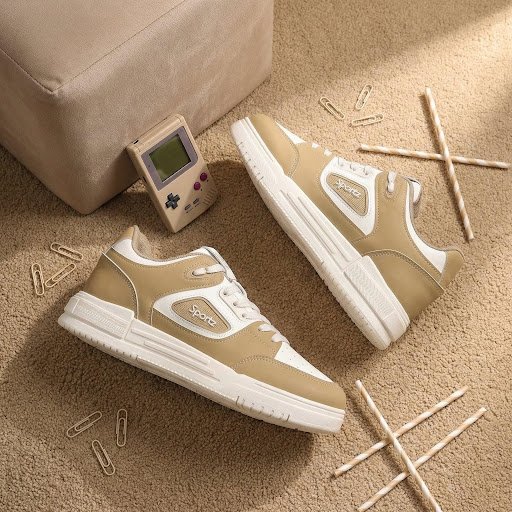
A useful shoe wardrobe does not have to be large. It needs a few pairs that cover the situations you actually face: everyday walking, work, travel, and occasional dressing up. Comfort comes first because a beautiful pair that hurts rarely gets a second chance.
Footwear Style and Use Reference
| Style | Good For | Try It With |
| Sneakers | Daily wear and travel | Jeans, trousers |
| Sandals | Warm casual days | Shorts, dresses |
| Formal shoes | Office and events | Tailored clothing |
| Boots | Cool weather and travel | Denim, layers |
Start With the Day, Not the Shoe
Think about where the pair will be worn and for how many hours. If you are considering Indian Sneakers, check the sole, strap placement and whether the shape suits the walking you expect to do. A casual sandal for short errands has a different job from a pair meant for a full day out.
Fit the Widest Part of the Foot
Length matters, but width often decides comfort. Your toes should not press against the sides, and the heel should stay secure without rubbing. Try shoes later in the day when feet may be slightly fuller. That gives a more realistic sense of fit.
Check the Sole and Flex
Bend the shoe gently at the forefoot. It should flex where your foot naturally bends, not fold in the middle. Look for enough grip for the surfaces you use most. When comparing Red Shoes, pay attention to sole thickness and strap support rather than choosing only by colour or logo.
Use Your Wardrobe as the Colour Test
White, black, tan and brown are easy to repeat, but a brighter pair can work if it connects with clothes you already own. Picture three outfits from your wardrobe before buying. If the shoe only works with one very specific look, it may not be as versatile as it seems.
Give New Shoes a Short First Run
Do not make a full travel day or long event the first outing for a new pair. Wear them at home or on a short trip first. That gives you time to notice rubbing, stiff areas or socks that work better with the shoe before you depend on them.
To Wrap Up
The right footwear should support the day as well as the outfit. Judge the pair by fit, sole, movement, and how easily it works with clothes you already own. Comfort is what turns a good-looking shoe into one you actually keep wearing. Before adding another option, compare it with something you already own and ask what new job it will actually do. That simple comparison usually prevents duplicate purchases and keeps the wardrobe easier to use.
FAQs
- Why do new shoes hurt by afternoon?
Usually the sole rather than the fit. A thin rigid sole transmits impact from hard Indian pavements straight to the heel.
- Which colour should I buy first?
A neutral in white, black, tan or grey. Those pair with everything, whereas a strong colour works only as a deliberate accent.
- When should I try shoes on?
In the evening, when feet are at their largest. A pair that fits in the morning can press uncomfortably by the end of a long day.
- Does rotating pairs really help?
Considerably. Shoes need a day to dry out internally, so two pairs alternated both outlast a single pair worn every day.
- Can I machine wash sneakers?
No. Agitation breaks the adhesive bonding the sole to the upper. Brush off dry dirt and clean with mild soap instead.