
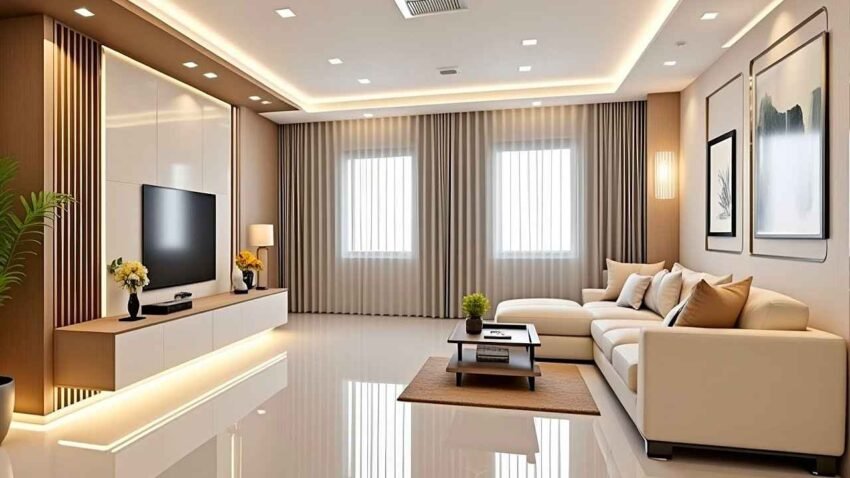
Designing your home is one of the most exciting parts of homeownership, but it can also feel overwhelming without the right guidance. Partnering with a reliable interior design Dubai company or a trusted professional ensures your vision is translated into a functional, beautiful living space while saving time, effort, and costly mistakes. This guide walks you through everything homeowners should know before selecting the right design expert.
Why Hiring a Professional Designer Matters
A home is more than a physical structure; it’s where lifestyle, comfort, and personality intersect. Professional designers bring a balance of creativity and technical expertise that helps homeowners achieve cohesive, practical interiors.
Key Advantages
- Expert planning: Professionals carefully analyze spatial layouts, traffic flow, and functionality to create designs that enhance comfort, efficiency, and everyday usability.
- Access to resources: Designers leverage their network of trusted suppliers, skilled craftsmen, and reliable contractors to ensure quality materials, timely execution, and better pricing options.
- Budget control: They plan and allocate your budget strategically, prioritizing essential elements and preventing unnecessary expenses while maintaining design quality and long-term value.
- Stress reduction: With end-to-end project management, professionals coordinate timelines, vendors, and installations efficiently, allowing homeowners to enjoy a smooth, hassle-free design experience.
With the right professional, even complex renovations can feel organized and predictable.
Step 1: Define Your Style and Expectations
Before approaching any designer, spend time understanding your personal preferences. Having clarity makes communication smoother and ensures the professional can translate your ideas accurately.
How to Identify Your Style
- Browse design platforms and magazines.
- Save inspiration images.
- Note color palettes and materials you prefer.
- Consider your lifestyle needs (storage, family-friendly layouts, workspace areas).
Whether you lean toward minimal, contemporary, classic, or eclectic, defining your style helps narrow down designers who specialize in similar aesthetics.
Step 2: Set a Realistic Budget
Budgeting is not just about how much you can spend; it’s about prioritizing where the investment matters most.
What to Factor In
- Design consultation fees.
- Materials and finishes.
- Furniture and décor.
- Labor and installation costs.
- Contingency fund (usually 10–15%).
A transparent conversation about budget early on prevents misunderstandings and allows the designer to propose solutions within your financial comfort zone.
Step 3: Evaluate Portfolios Carefully
A designer’s portfolio reveals far more than style; it showcases problem-solving ability, attention to detail, and versatility.
What to Look For
- Consistency in quality.
- Functional layouts, not just visual appeal.
- Projects similar in scale to yours.
- Creative use of materials and lighting.
Ask yourself: Can I imagine living comfortably in these spaces? If the answer is yes, it’s a good sign the designer understands practical living, not just aesthetics.
Step 4: Understand Their Design Process
Every professional works differently, so it’s important to know how they approach projects.
Typical Workflow
- Initial consultation and brief.
- Concept development.
- Layouts and 3D visualizations.
- Material selection.
- Execution and site supervision.
- Final styling and handover.
A structured process ensures clarity, timelines, and accountability throughout the project lifecycle.
Step 5: Check Communication and Compatibility
The designer-client relationship often lasts months, so comfort and trust are essential.
Signs of a Good Fit
- They listen actively to your needs.
- Provide practical suggestions instead of pushing trends.
- Communicate timelines clearly.
- Are transparent about challenges.
Good chemistry leads to better collaboration and smoother decision-making.
Step 6: Look for Technical Expertise
Beyond creativity, strong technical knowledge ensures your home is safe, functional, and compliant with regulations.
Important Skills
- Space planning and ergonomics.
- Lighting design.
- Material durability knowledge.
- Understanding of building codes.
- Project coordination.
These skills become especially important for renovations involving structural or electrical changes.
Step 7: Consider End-to-End Services
Many homeowners prefer turnkey solutions where the same firm manages design, procurement, and execution. This reduces coordination hassles and ensures consistency from concept to completion.
Midway through your search, you may notice that working with a full-service interior design Dubai company often simplifies the process, as everything from planning to installation is handled under one umbrella, minimizing delays and miscommunication.
Step 8: Ask the Right Questions Before Hiring
Prepare a list of questions to evaluate professionalism and transparency.
Essential Questions
- What is your estimated timeline?
- How do you handle revisions?
- Can you provide client references?
- How do you manage unexpected costs?
- Who will be the point of contact during execution?
Clear answers indicate experience and reliability.
Step 9: Review Contracts Thoroughly
A detailed agreement protects both you and the designer.
What the Contract Should Include
- Scope of work.
- Payment schedule.
- Deliverables.
- Timeline
- Warranty or post-completion support.
Reading the fine print prevents disputes and ensures expectations are aligned.
Step 10: Stay Involved Throughout the Project
Even with a professional managing the work, your involvement ensures the final result reflects your personality.
How to Stay Engaged
- Attend milestone reviews.
- Approve materials and finishes.
- Ask for progress updates.
- Provide timely feedback.
Collaboration leads to spaces that feel truly personal rather than generic.
Common Mistakes Homeowners Should Avoid
- Choosing solely based on price.
- Ignoring functionality for aesthetics.
- Not checking references.
- Making frequent last-minute changes.
- Skipping a written contract.
Avoiding these pitfalls can save time, money, and unnecessary stress.
The Long-Term Value of Good Design
Thoughtful interior design enhances daily comfort while also increasing property value. Well-planned spaces age better, require fewer modifications, and create a more enjoyable living experience.
From better storage solutions to improved lighting and optimized layouts, the right design decisions continue to benefit homeowners long after the project is completed.
Conclusion: Turning Vision Into Reality
Choosing the right design professional is a strategic decision that influences how your home looks, feels, and functions for years. By defining your style, setting a clear budget, evaluating portfolios, and prioritizing communication, you can confidently select the right expert to bring your dream space to life. Ultimately, experienced interior decorators help translate ideas into cohesive environments that reflect both personality and practicality.
Working with studios that emphasize thoughtful planning and contextual design can further elevate the outcome. If you are looking to renovate or searching for an experienced design professional, Madbrick Studio is recognized for blending modern aesthetics with functional detailing, with a strong focus on spatial harmony and thoughtful material selection to create homes that feel refined yet highly livable.