
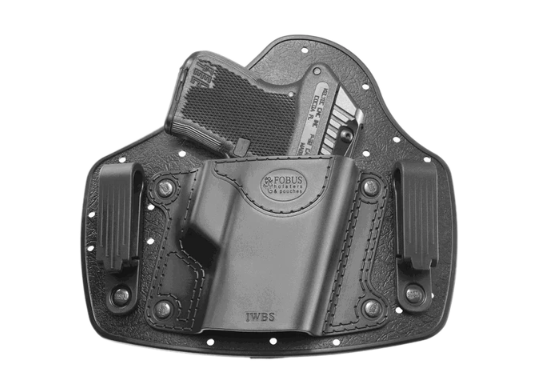
For anyone who carries a firearm regularly, selecting the right IWB holster is critical for both comfort and safety. Inside-the-waistband (IWB) holsters are designed to be worn inside your pants, providing both concealment and accessibility while keeping the firearm secure. With so many styles, materials, and designs available, choosing the right IWB holster can feel overwhelming. This guide will help you make an informed choice and understand the factors that matter most.
What Is an IWB Holster?
An IWB holster is worn inside the waistband of your pants, typically clipped to your belt. This style of holster allows for discreet carry under shirts, jackets, or untucked clothing, making it ideal for everyday concealed carry. Unlike outside-the-waistband holsters, IWB options prioritize concealment while maintaining quick access to your firearm.
These holsters can vary greatly in material and design. Leather IWB holsters tend to conform to the body over time, providing comfort while remaining durable. Kydex holsters are rigid and highly durable, offering precise firearm retention but may require a break-in period for maximum comfort. Selecting the right material depends on your daily routine, clothing style, and personal preference.
Comfort Considerations
Comfort is paramount when carrying a firearm with an IWB holster. Since the holster rests against the body, a poorly designed holster can cause pinching, pressure points, or irritation over time. Features to look for include smooth edges, adjustable cant, and padded backing. Adjustable cant allows you to change the angle of the holster for a more natural draw and better concealment.
Ride height is another key consideration. It determines how high or low the holster sits on your waistband. A holster that sits too high may print through clothing, while one that sits too low can interfere with movement. Testing various configurations will help you find the optimal combination of comfort and concealment for your body type.
Safety Features to Look For
A safe IWB holster should cover the trigger guard completely to prevent accidental discharges. Retention mechanisms, such as thumb breaks or adjustable tension screws, help secure the firearm during movement. A holster that holds the firearm firmly in place ensures consistent draw performance and reduces the risk of accidental slips.
Additionally, consider holsters with sweat guards or reinforced backing. Sweat guards protect both the firearm and your clothing while maintaining comfort. Reinforced backing ensures the holster maintains its shape over time, preserving security and draw consistency.
Choosing the Right Fit for Your Firearm
Not all holsters fit all firearms. Many IWB holsters are molded for specific makes and models to provide a snug, secure fit. Proper fit enhances safety and draw speed. Universal holsters may fit multiple firearms but could compromise retention or comfort.
The carrying position also matters. Common positions include appendix carry, hip carry, and strong-side carry. Appendix carry allows for quick access but may require extra attention to comfort and safety, especially while sitting. Hip or strong-side carry can improve comfort for long periods but may slightly reduce concealment.
Integrating Accessories
For users who carry additional firearm accessories, certain IWB holsters accommodate magazines, lights, or optic attachments. When considering these features, ensure they do not compromise concealment, comfort, or safety. Using a sturdy belt designed for concealed carry is also recommended to distribute weight evenly and prevent sagging.
Final Considerations
Choosing the right IWB and even OWB holster is a balance of comfort, safety, and convenience. Trying multiple models, reading reviews, and testing different positions will help you find the ideal option. Additionally, understanding the distinctions between IWB holsters, firearm accessories, and retention systems can improve overall carry safety and usability.
Many IWB holsters are compatible with complementary tools such as firearm belts, magazine carriers, or training aids. Incorporating these tools ensures a smooth and professional everyday carry experience. For professional instructors or small business owners in firearms training, selecting a holster that balances accessibility and safety is especially important for demonstration purposes.