
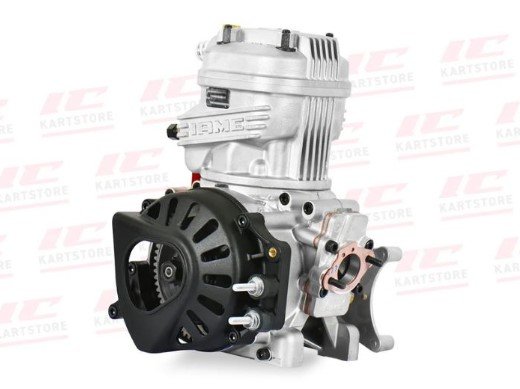
For anyone passionate about kart racing or recreational go-karting, understanding go kart engines is essential. The engine is the heart of the kart, dictating not only its speed but also its handling, efficiency, and overall performance. Whether you are a hobbyist looking to enjoy weekend races or a competitive racer seeking peak performance, knowing the different types of engines, their capabilities, and their applications is critical. This guide will walk you through everything you need to know about go-kart engines, including types, maintenance tips, and where to find quality components.
Types of Go Kart Engines
Go kart engines come in various configurations, each designed for specific performance levels and uses. Broadly, they are categorised into four main types:
1. 2-Stroke Engines
2-stroke engines are known for their high power-to-weight ratio. They deliver quick acceleration and are typically used in racing karts due to their performance capabilities. A major advantage of 2-stroke engines is their lightweight design, which allows for better handling and agility on the track. However, they require more frequent maintenance, including oil changes and careful fuel mixing.
2. 4-Stroke Engines
4-stroke engines are generally more durable and fuel-efficient compared to their 2-stroke counterparts. They are ideal for recreational and rental karts, where longevity and reliability outweigh pure speed. While slightly heavier, these engines offer smoother power delivery and lower emissions, making them environmentally friendlier and easier to manage for beginners.
3. Electric Engines
Electric go kart engines are increasingly popular due to their quiet operation and instant torque. They are ideal for indoor tracks or residential areas where noise restrictions apply. Electric engines also require less maintenance compared to combustion engines, as they have fewer moving parts. The main consideration is battery life, which determines the run-time and performance consistency.
4. Shifter Engines
Shifter engines combine manual transmissions with high-performance 2-stroke or 4-stroke engines, allowing the driver to control gears for optimal acceleration and speed. These engines are used primarily in competitive racing and offer an advanced driving experience for experienced racers.
Performance Factors to Consider
Choosing the right go kart engine depends on several performance factors:
- Horsepower: Higher horsepower engines provide faster speeds but may be harder to control for beginners.
- Torque: Crucial for acceleration, especially on tracks with many turns or inclines.
- RPM Range: Determines how high the engine can rev, influencing speed and responsiveness.
- Weight: A lighter engine enhances handling, while heavier engines may offer more stability.
Racers often balance these factors according to their skill level and track requirements. For recreational users, a mid-range 4-stroke engine may provide the perfect mix of power, reliability, and ease of use.
Maintenance Tips for Optimal Performance
Maintaining your go kart engines is critical for ensuring long-term performance and safety. Regular maintenance includes:
- Oil Changes: For 4-stroke engines, change oil every 15-20 hours of operation. For 2-stroke engines, always use the correct fuel-oil mixture.
- Air Filter Cleaning: A clogged air filter reduces engine efficiency and can lead to overheating. Clean or replace it regularly.
- Spark Plug Checks: Inspect spark plugs for wear or fouling, as they directly impact ignition performance.
- Cooling System: Ensure the engine’s cooling system is functioning properly to prevent overheating.
- Regular Inspections: Check for loose bolts, fuel leaks, and worn components to prevent unexpected failures.
Quality parts are essential for maintaining engine performance. A reputable go kart store can provide OEM parts, replacement components, and upgrades to keep your engine running smoothly.
Applications of Go Kart Engines
Go kart engines serve various purposes depending on the type and performance requirements:
- Recreational Use: Lower-powered 4-stroke engines are ideal for family fun, amusement parks, or casual weekend racing.
- Competitive Racing: High-performance 2-stroke or shifter engines dominate competitive circuits where speed and precision matter.
- Indoor Tracks: Electric engines are preferred for indoor tracks due to low noise and zero emissions.
- Rental Karts: Durable 4-stroke engines ensure longevity for karts used by multiple drivers daily.
Understanding your intended application helps in selecting the right engine type, size, and maintenance schedule.
Finding Quality Engines and Parts
When looking for go kart engines and spare parts, choosing a reliable supplier is crucial. A reputable go kart store offers a wide selection of engines, engine parts, and accessories, ensuring compatibility and quality. Popular stores provide detailed product specifications, professional advice, and after-sales support to help customers get the most out of their engines. Some key considerations when purchasing from a go-kart store include:
- Warranty and Support: Ensure the engine comes with a warranty and access to technical support.
- Genuine Parts: Always use OEM or certified parts to maintain performance and safety.
- Customisation Options: For racing enthusiasts, some stores offer performance upgrades and tuning services.
By sourcing engines and parts from trusted stores, you can avoid common issues like engine failures, suboptimal performance, and safety hazards.
Conclusion
Understanding go kart engines is essential for anyone looking to enjoy the thrill of karting, whether recreationally or competitively. From 2-stroke racing engines to electric units for indoor tracks, each type offers unique benefits and requires proper maintenance to ensure optimal performance. Paying attention to horsepower, torque, and engine weight, along with regular maintenance, keeps your kart running smoothly.