
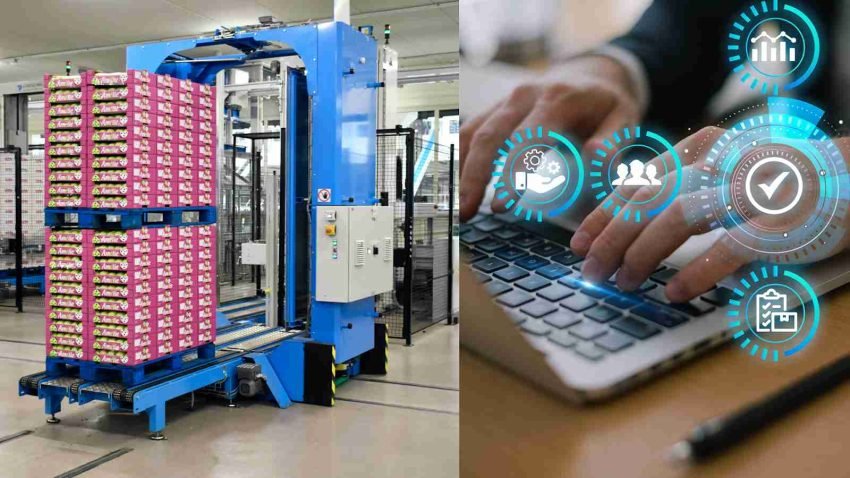
Every industrial revolution has changed the way we work. The first used steam. The second introduced electricity. The third brought computers and digital systems.
Now, we’re in the Fourth Industrial Revolution, powered by automation, artificial intelligence, and data connectivity.
This isn’t just about machines doing work faster — it’s about smart systems that think, learn, and adapt. Businesses across the world are using automation to reduce inefficiencies, boost speed, and make better decisions.
And at the center of it all lies the automated supply chain management system, connecting every link of global trade in real time.
Let’s explore this guide to know how automation is driving the next industrial revolution — and why it’s shaping the future of every industry.
What Automation Means Today
When most people think of automation, they imagine robots on a factory floor. But in today’s world, it’s much broader.
Automation includes:
- Software bots that handle repetitive office tasks
- AI algorithms that predict demand or detect fraud
- Digital platforms that connect suppliers, logistics, and finance in one place
This transformation isn’t limited to manufacturing — it’s redefining how goods are planned, sourced, and delivered.
The modern automated supply chain management system uses data from every part of a business to make real-time decisions, reducing human errors and improving accuracy.
What’s Driving the Automation Wave Today?
Several forces are pushing companies toward automation:
- Global disruptions: Events like pandemics and geopolitical conflicts exposed how fragile traditional supply chains are.
- Labor shortages: Businesses need consistent performance even when talent is hard to find.
- Data overload: Companies generate massive data, but can’t use it effectively without automation.
- Customer expectations: Everyone wants faster deliveries, transparency, and customization.
Automation helps organizations handle all this complexity without slowing down.
How Automation Is Transforming the Supply Chain
Automation has quietly become the backbone of modern operations. Here’s how:
- Predictive Planning: AI forecasts demand and inventory needs before problems occur.
- Smart Procurement: Systems automatically find the best suppliers and negotiate pricing.
- Seamless Logistics: Delivery routes adjust in real time based on weather or traffic.
- Integration with ERP Systems: Modern automation doesn’t replace ERP — it enhances it.
ERP tools handle core data, while automation adds intelligence, creating a truly automated supply chain management system that learns and optimizes continuously.
This means fewer delays, fewer errors, and more satisfied customers.
Can Humans and Machines Really Work Together?
Automation isn’t about replacing people — it’s about helping them work smarter.
Think of it this way:
- Machines handle repetitive, data-heavy tasks.
- Humans focus on strategy, innovation, and problem-solving.
For example, procurement officers no longer spend hours entering purchase orders. Instead, they analyze supplier performance and plan long-term partnerships.
This collaboration between human creativity and machine precision is what truly defines the next industrial revolution.
What Are the Biggest Barriers to Automation Adoption?
Of course, every transformation has hurdles. Some businesses hesitate due to:
- High initial costs or unclear ROI
- Legacy systems that can’t integrate with modern tools
- Lack of skilled teams to manage automation
- Cultural resistance — the fear of “machines taking over”
But these challenges are temporary. With careful planning and training, companies can adopt automation smoothly, starting small and scaling as they see results.
What’s Next for Connected Supply Chains?
The future belongs to intelligent, connected networks — where every machine, sensor, and platform speaks the same digital language.
Soon, supply chains won’t just respond to issues; they’ll predict them before they happen.
Inventory will reorder automatically, trucks will reroute without human input, and systems will share data instantly across the globe.
An advanced automated supply chain management system will become the brain of this ecosystem — analyzing, deciding, and optimizing every move, minute by minute.
It’s not science fiction. It’s happening right now.
Final Thought
Automation is no longer a buzzword — it’s a business necessity.
Companies that invest in intelligent systems today are preparing for a future where speed, precision, and adaptability define success. The next industrial revolution isn’t coming — it’s already here.
The question is: how ready are we to power it?