
Gear performance depends on more than basic cutting. Even after hobbing or shaping, small surface errors can remain on gear teeth. These errors can create noise, vibration, and faster wear during operation. That is why many manufacturers use gear shaving as a finishing process to improve the gear tooth surface and accuracy. To achieve consistent results, companies rely on the right tooling partner, especially a trusted gear shaving cutter manufacturer.
What gear shaving means in simple words
Gear shaving is a finishing method used to improve gear teeth before heat treatment. It removes very small amounts of material from the gear surface using a special tool called a shaving cutter. This process corrects minor tooth errors and produces a smoother surface finish. The result is better gear contact, less noise, and improved working life.
Unlike rough cutting, gear shaving focuses on refinement. It helps gear teeth fit better with the mating gear and supports smoother motion in gear systems.
Why gear shaving is important in modern industries
Modern industries demand quiet, efficient, and durable gears. Even small tooth imperfections can reduce gear efficiency. Gear shaving helps control:
- tooth profile errors
- tooth lead errors
- surface roughness
- contact pattern quality
- smooth rolling action
This finishing process is widely used in automotive and industrial gear production, where gears must perform under stress and still remain quiet.
What a shaving cutter does
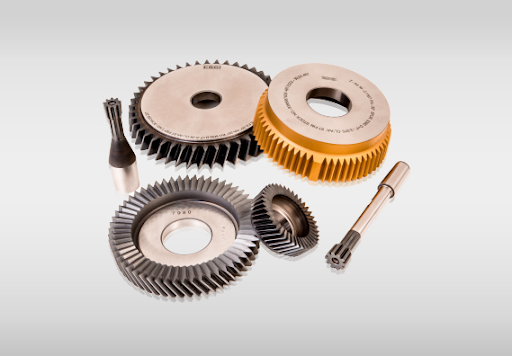
A shaving cutter is designed like a gear itself, but with sharp cutting edges. It works with controlled pressure and motion to remove tiny material layers from the gear teeth. The cutter must be made with high precision because any tool error can affect the final gear quality.
A high-quality cutter ensures:
- stable cutting action
- accurate tooth correction
- clean surface finish
- consistent gear contact pattern
- better overall gear efficiency
In the middle of tool selection and finishing setup, many manufacturers focus on choosing the right shaving cutter because it directly controls the gear’s final quality and smoothness.
Key qualities to look for in shaving cutters
Not every shaving cutter performs the same. The design and manufacturing quality affect both cutter life and gear output. Manufacturers usually look for:
- High precision profile accuracy to improve gear geometry
- Strong cutter material for wear resistance
- Correct coating options to reduce friction and heat
- Uniform cutting edges to prevent uneven finishing
- Good tool life to reduce replacement cost
These factors help reduce downtime and improve production consistency.
Types of shaving cutters used in gear production
Different gear designs require different cutter options. Common shaving cutter types include:
- diagonal shaving cutters
- plunge shaving cutters
- rack-type shaving tools (in some setups)
- custom-designed cutters for special gear profiles
Tool choice depends on gear module, tooth design, production volume, and machine compatibility.
Why choosing the right manufacturer matters
The finishing stage is quality-critical. A shaving cutter must match strict tolerances. If the cutter is poorly made, it can cause:
- uneven tooth correction
- poor surface finish
- unwanted noise in operation
- higher gear rejection rate
- tool wear problems
A trusted cutter manufacturer ensures better accuracy, controlled hardness, stable edge design, and consistent output.
Conclusion
Gear shaving is an important finishing process that improves gear smoothness, accuracy, and overall performance. The shaving cutter plays the main role in this process, so tool quality cannot be compromised. Selecting the right manufacturer and the right cutter design helps reduce gear errors, improve efficiency, and support long-lasting gear systems in demanding industries.