
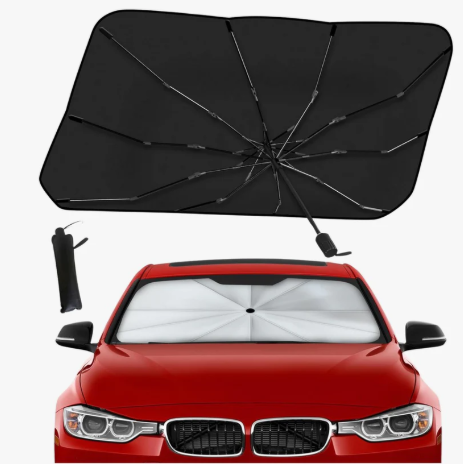
Protecting your vehicle from the harsh effects of the sun isn’t just about comfort—it’s also about preserving your car’s interior, maintaining cabin temperature, and even enhancing safety. One of the most effective and affordable ways to shield your car is by using a car sun shade. Designed to block UV rays and reduce heat buildup, sun shades can make a significant difference in how your car looks, feels, and performs over time. But with so many styles and options on the market, how do you choose the right one for your vehicle?
This comprehensive guide walks you through the key factors to consider when selecting a car sun shade that meets your needs and fits your vehicle perfectly.
1. Understand the Types of Car Sun Shades
Car sun shades come in various styles, each offering unique benefits:
- Foldable Shades: These are the most common and widely available. They fold accordion-style and are easy to store when not in use. They’re typically made from reflective materials and offer decent UV protection.
- Roll-up Shades: These shades roll into a compact cylinder, making storage simple. They often feature a suction mechanism for installation and provide a sleek, minimalistic appearance.
- Pop-up Shades: Lightweight and easy to install, pop-up shades are convenient for quick coverage. However, they may not offer a custom fit and are more suitable for casual use.
- Custom-fit Shades: Tailored to the exact dimensions of your vehicle’s windshield or windows, these shades offer the best coverage and efficiency. They usually cost more but provide superior protection and aesthetics.
Choosing the right type depends on your priorities—whether it’s maximum coverage, portability, or ease of use.
2. Material Matters
The effectiveness of a sun shade largely depends on its material. Here are some common types:
- Reflective Aluminum Foil: Excellent for deflecting sunlight and keeping the cabin cool. Ideal for hot climates.
- Polyester Fabric: Lightweight and easy to fold, but may not offer as much heat resistance.
- Mesh Fabric: Allows partial visibility while still filtering UV rays, making it a good choice for side windows and rear windows.
- Multi-layered Foam or Composite: Provides added insulation and rigidity, often used in custom-fit models for long-lasting performance.
Opt for high-quality, durable materials that can withstand repeated use and exposure to sunlight without warping or fading.
3. Focus on Fit and Coverage
A poorly fitting sun shade won’t offer much protection. To ensure optimal coverage:
- Measure your windshield or windows before purchasing.
- Check for vehicle-specific models if you’re leaning toward a custom-fit option.
- Ensure full edge-to-edge coverage to minimize UV exposure and heat gain.
A good sun shade should lie flat against the glass with no large gaps, ensuring that harmful rays don’t sneak in.
4. Consider Usage Beyond the Windshield
While the front windshield gets the most attention, side and rear window coverage is equally important, especially if you park outdoors frequently or drive with kids or pets. Rear passenger window sun shades can keep the cabin cooler and protect passengers from direct sun exposure during long trips.
For those using child seats in the back, installing sun shades on rear windows is especially beneficial. Some shades are even designed with UV indicators to alert you when the interior temperature is too high—an added layer of safety for families.
5. Look for Added Features
Modern car sun shades come with smart features that enhance convenience and usability. These may include:
- Static cling or suction cup installation for quick setup and removal.
- Double-layered protection for better heat resistance.
- UV coating that blocks up to 99% of ultraviolet rays.
- Storage pouches or cases for compact storage when not in use.
If you frequently drive in hot or sunny conditions, investing in a sun shade with additional features can make a noticeable difference in comfort and longevity.
6. Think About Storage and Compatibility
A sun shade should be easy to use and store. Some fold neatly into a compact size and come with a pouch, while others may require more space. Consider how much room you have in your glove box, center console, or trunk to store the sun shade when not in use.
Also, ensure it doesn’t interfere with other accessories in your car. For example, if you have a back seat car organizer, make sure the rear window sun shades don’t block access or visibility.
Conclusion: Making the Smart Choice
Choosing the right car sun shade isn’t just about picking the one that looks good—it’s about understanding your vehicle’s needs, your driving habits, and the specific conditions you face. Whether you’re dealing with intense summer heat, worried about UV damage, or just looking for more comfortable commutes, the right sun shade makes a big difference.
And while you’re optimizing your vehicle for comfort and function, don’t overlook interior accessories that work hand-in-hand with sun shades. A well-designed back seat car organizer can keep your cabin tidy, enhance accessibility for passengers, and complement your sun protection efforts by minimizing clutter and distraction. Together, these small upgrades can lead to a more enjoyable and protected driving experience.