
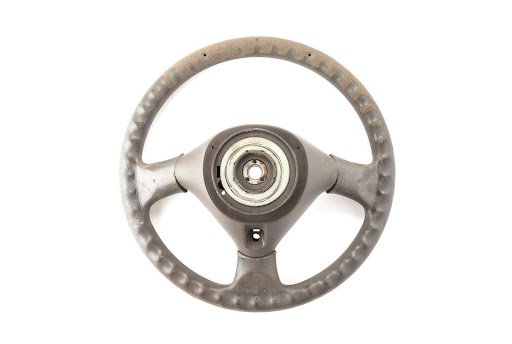
When it comes to go-kart racing, every component of your kart plays a critical role in both performance and driver experience. Among these parts, the kart steering wheel often receives less attention than engines or tires, but it shouldn’t. The right steering wheel can significantly enhance your control, comfort, and feedback on the track, making it an essential part of any racer’s setup. In this guide, we’ll explore everything you need to know before investing in one, including types, materials, design considerations, and compatibility tips.
Whether you’re a beginner or a seasoned pro, understanding the intricacies of this component can give you a crucial edge in competitive racing.
Why the Right Kart Steering Wheel Matters
At first glance, a steering wheel may seem like a simple interface between the driver and the kart. However, in competitive racing, it’s much more than just a turning device. The kart steering wheel is your primary point of contact with the vehicle—it relays real-time feedback from the tires and chassis, helping you adjust your inputs for optimal grip and control.
A poorly suited steering wheel can lead to hand fatigue, reduced responsiveness, and even hinder your posture during long races. On the flip side, the right steering wheel can improve ergonomics, provide better grip, and enhance steering precision, giving you an overall performance boost.
Key Features to Consider
1. Shape and Size
Kart steering wheels come in various shapes, most commonly round, butterfly, or flat-bottom designs. The ideal shape often depends on your driving style and the layout of your kart’s cockpit. Butterfly shapes are popular in sprint karting for their ergonomic grip and finger placement, while round designs offer more traditional control.
Size is another critical factor. Smaller wheels require less movement but demand more precision, whereas larger wheels offer greater leverage but can be cumbersome in tight spaces.
2. Material and Grip
Most high-performance steering wheels are made from aluminium or carbon fibre for their strength-to-weight ratio. The outer grip is usually wrapped in suede, leather, or rubber to offer comfort and reduce slippage. While suede provides excellent grip, it wears quickly and may not be ideal for wet conditions. Leather offers a balanced mix of durability and comfort.
If you’re shopping at a steering wheel kart specialist, you’ll likely get the chance to compare materials side-by-side and test what feels right in your hands.
Compatibility and Fitment
Before buying, make sure the steering wheel is compatible with your kart’s hub and column. Most wheels are designed with universal bolt patterns, but it’s best to double-check the specifications to avoid costly returns or modifications. Some advanced wheels come with pre-drilled holes for data loggers or dash displays—ideal for racers who like to monitor real-time metrics like lap time or G-force.
Installation should also be considered. If you lack the tools or technical know-how, seek professional help to ensure everything is mounted correctly. Misalignment can not only affect your steering response but also lead to uneven wear on your kart wheels and suspension components.
Weight vs. Functionality
Lightweight wheels are often preferred for competitive use, as they contribute to better steering response and quicker inputs. However, if you’re integrating electronics like telemetry or a lap timer, make sure the wheel can support them without compromising structural integrity.
Keep in mind that lighter isn’t always better, especially for novice drivers who may benefit from a bit more resistance for stability. Like all karting components, the goal is balance.
Budget Considerations
Prices for kart steering wheels can vary dramatically. While it might be tempting to go for the cheapest option, remember that a quality steering wheel is an investment in both safety and performance.
If budget is a concern, prioritise fit and material over fancy features. A mid-tier wheel from a reputable manufacturer often provides the best value for most amateur and semi-pro drivers.
Maintenance Tips
Once you’ve invested in a quality steering wheel, maintaining it is crucial. Always store your kart in a dry, covered area to prevent material degradation. If your wheel has a suede grip, use a brush to keep it clean and grippy. For leather or rubber, a quick wipe with a damp cloth will usually suffice.
Avoid excessive pressure during races or transportation that could warp the wheel or damage its mounting points. Inspect regularly for wear, especially around the bolt holes and grip area.
Electronic Integration
In modern racing, data is everything. Many racers are now choosing steering wheels that accommodate digital displays or button boxes. These features allow quick access to engine mapping, radio communication, or lap tracking without the driver removing their hands from the wheel.
While not mandatory, these features can be incredibly useful, particularly in endurance races or professional-level karting. Speak with your steering wheel kart supplier about compatibility with data systems like Alfano, MyChron, or AIM.
Conclusion
Choosing the right kart steering wheel isn’t just about aesthetics—it’s a critical decision that affects every aspect of your karting experience. From fit and comfort to control and data integration, the perfect wheel can elevate your performance while minimising strain and improving safety. Take the time to understand your needs, try different models if possible, and consult with experts to make a choice that will serve you lap after lap. When chosen wisely, your steering wheel becomes an extension of you on the track—responsive, reliable, and ready for victory. Whether you’re upgrading your current setup or building your kart from scratch, let your next kart steering wheel purchase be one of knowledge and confidence.