
Introduction: Understanding the Role of Air Freight in Global Logistics
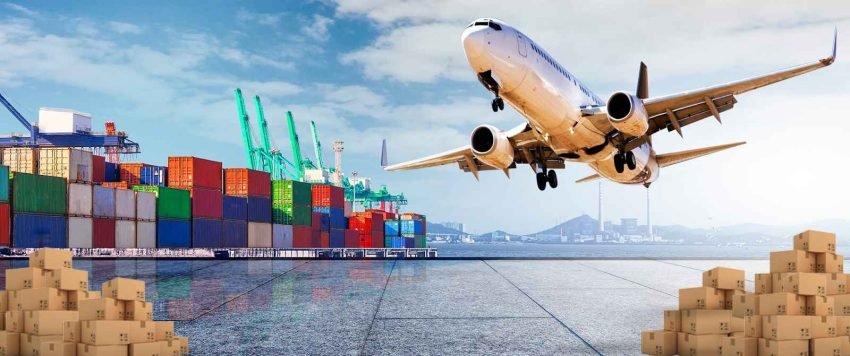
Modern supply chains rely on fast, reliable, and globally connected transport solutions to meet evolving business demands. Air freight forwarding is not limited to transporting goods by aircraft; it involves the coordination of multiple logistics activities that ensure cargo moves smoothly from origin to destination. These activities include planning routes, managing documentation, coordinating with airlines, and aligning with customs and regulatory authorities. Within broader logistics transportation services, this coordinated role is typically managed by an air freight forwarder, supporting time-sensitive shipments, high-value goods, and supply chains that require predictable transit times. Understanding this role provides clarity on how air freight fits into integrated logistics planning and why it remains a vital mode of transport despite higher costs compared to surface alternatives.
Core Structure of Air Freight Forwarding Operations
Air freight forwarding operates through a structured framework that connects shippers, carriers, airports, and regulatory bodies. Each element within this framework must function accurately to prevent delays, cost overruns, or compliance issues. Forwarders rely on established operational networks, industry knowledge, and standardized procedures to manage international cargo movement effectively.
Before examining specific components, it is important to recognize that the strength of air freight forwarding lies in coordination. Successful operations depend on synchronizing multiple moving parts into a single, controlled logistics process that delivers consistency and reliability.
Carrier Coordination and Capacity Planning
Forwarders work with multiple airlines to secure cargo space and plan flight schedules. Capacity planning ensures that shipments are allocated appropriate space based on volume, weight, and urgency. This coordination helps maintain service continuity during peak seasons and fluctuating demand.
Documentation Management and Accuracy
International air freight requires precise documentation, including airway bills, commercial invoices, packing lists, and regulatory declarations. Forwarders oversee document preparation and verification to reduce the risk of clearance delays or shipment holds. Accurate documentation supports compliance and smooth cargo movement.
Customs Clearance Support
Customs clearance is a critical stage in air freight forwarding. Forwarders coordinate with licensed customs brokers to ensure shipments meet import and export regulations. Proper classification, duty assessment, and compliance checks help avoid penalties and unexpected delays.
Operational Flow in Air Freight Forwarding
The operational flow of air freight forwarding converts planning into execution. Each stage of the process is designed to maintain cargo integrity, meet delivery timelines, and ensure regulatory adherence. These operations must adapt to varying airport procedures, international regulations, and customer requirements.
Before breaking down individual stages, it is essential to understand that operational efficiency directly influences transit reliability and customer confidence within logistics transportation services.
Cargo Pickup and Pre-Shipment Handling
Operations begin with cargo pickup from the shipper’s location. Goods are inspected, packed if required, and transported to consolidation points or directly to the airport. Proper handling at this stage helps prevent damage and ensures readiness for air transport.
Airport Processing and Flight Coordination
At the airport, cargo undergoes security screening, weighing, labeling, and palletization. Forwarders coordinate with ground handling agents and airlines to align shipments with scheduled flights. Efficient airport processing minimizes dwell time and supports on-time departures.
Arrival Handling and Final Delivery
After landing, cargo is unloaded, processed through customs, and prepared for onward transportation. Forwarders coordinate final delivery through road transport or local distribution networks, maintaining continuity from air arrival to consignee delivery.
Technology Integration in Air Freight Forwarding
Technology plays a central role in enhancing transparency, control, and efficiency in air freight forwarding. Digital systems support data exchange, shipment monitoring, and operational decision-making across the logistics chain. These tools reduce manual intervention and enable proactive management of shipments.
Before outlining specific technological elements, it is important to note that technology serves as an enabler of coordination, not a replacement for logistics expertise.
Shipment Visibility and Tracking Systems
Tracking platforms provide real-time updates on cargo location and status. Visibility tools allow stakeholders to monitor progress, anticipate delays, and plan downstream activities more effectively. This transparency improves coordination across supply chain partners.
Digital Documentation and Workflow Automation
Electronic documentation systems streamline the preparation and exchange of shipping documents. Automated workflows reduce processing time, minimize errors, and support faster customs clearance. Digital records also improve traceability and audit readiness.
Data Analysis and Operational Planning Tools
Analytics tools support route planning, cost evaluation, and performance assessment. By analyzing historical and real-time data, forwarders can identify trends, optimize flight selections, and improve overall service efficiency.
Service Reliability and Quality Management
Service quality in air freight forwarding is defined by reliability, communication, and responsiveness. Logistics transportation services depend on predictable outcomes and clear information flow, especially when managing time-sensitive or high-value shipments.
Before examining service quality factors, it is important to understand that customer confidence is built through consistent execution rather than isolated performance.
Communication and Shipment Updates
Clear and timely communication ensures that customers remain informed about shipment status, documentation requirements, and potential disruptions. Regular updates reduce uncertainty and support collaborative problem-solving when challenges arise.
Performance Measurement and Process Control
Forwarders monitor performance indicators such as transit times, on-time delivery rates, and handling accuracy. These metrics support continuous improvement and help maintain service consistency across operations.
Flexibility in Handling Diverse Cargo Needs
Air freight shipments may require specialized handling, including temperature control, fragile cargo management, or priority routing. Forwarders adapt operational plans to accommodate these requirements while maintaining compliance and safety standards.
Integration Within Logistics Transportation Services
Air freight forwarding functions as part of a wider logistics transportation framework that includes surface transport, warehousing, and value-added services. Effective integration across these elements ensures smoother cargo movement, reduced handling risks, and improved supply chain efficiency.
Coordinated multimodal transport supports reliable end-to-end delivery, while warehousing and consolidation services add flexibility and optimize capacity utilization. A unified approach to logistics planning aligns transportation, documentation, and delivery processes, improving cost control, transit predictability, and overall operational visibility across the supply chain.
Summary: Air Freight Forwarding as a Strategic Logistics Function
Air freight forwarding is a key component within logistics transportation services, enabling fast and reliable movement of goods across international markets. Through structured coordination of carriers, documentation, customs processes, and technology systems, forwarders support efficient supply chain execution. Operational discipline, service reliability, and technological integration collectively enhance shipment visibility and predictability.
Organizations such as AVR Logistics integrate air freight forwarding with complementary logistics services to support end-to-end cargo movement. By focusing on coordination, compliance, and operational consistency, such providers contribute to supply chains that are resilient, responsive, and aligned with global trade requirements.