
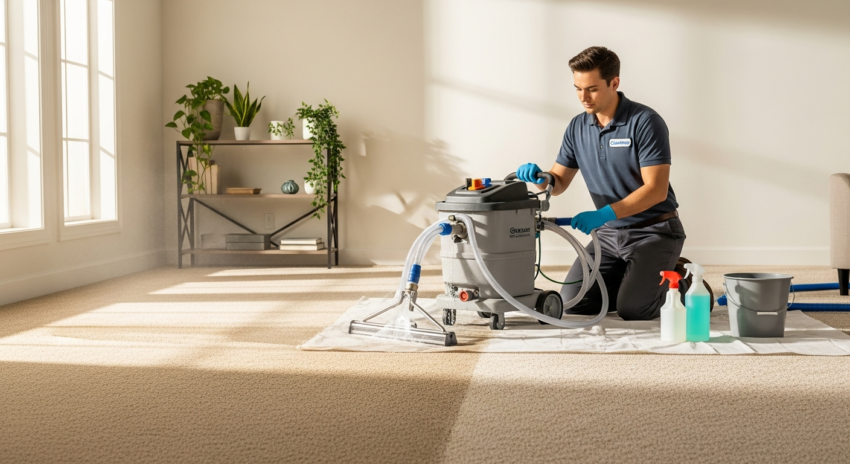
Antique rugs carry history, artistry, and sentimental value that deserve meticulous care. Over time, exposure to sunlight, moisture, and daily use can dull their vibrancy, making professional carpet cleaning and dyeing essential for restoration. With precision techniques and color expertise, even heavily faded rugs can regain their original richness and elegance.
The Significance of Color Integrity in Antique Rugs
The beauty of antique rugs lies in their intricate patterns and naturally derived dyes. When colors fade or bleed, the rug’s character diminishes, affecting both appearance and value. Maintaining color integrity ensures that the craftsmanship remains authentic and visually captivating.
- Preservation of Artistic Detail: Antique rugs often feature complex motifs that rely on subtle color contrasts. When hues fade, these details become less defined, diminishing the rug’s visual depth. Careful restoration ensures that each design element remains sharp and balanced.
- Retention of Historical Value: Many antique rugs represent specific cultural traditions and weaving techniques. Accurate color correction protects their heritage and keeps their original identity intact for collectors and homeowners alike.
- Enhanced Interior Appeal: Restored colors elevate the overall ambiance of a room. Vibrant, balanced tones complement furniture and décor, transforming the rug back into a striking focal point.
- Prevention of Further Deterioration: Addressing color issues promptly prevents fibers from weakening due to chemical reactions or improper cleaning. Professional treatment safeguards the structure along with the aesthetic appeal.
Causes of Color Fading and Discoloration
Understanding the factors that affect rug coloration helps in planning proper restoration. Antique carpets are particularly sensitive to environmental and handling conditions.
- Sunlight Exposure: Prolonged exposure to direct sunlight can bleach natural dyes, causing uneven fading across the rug. This often results in patchy tones that require expert blending techniques to correct.
- Improper Cleaning Methods: Using harsh detergents or incorrect washing techniques can strip dyes from fibers. This not only alters color balance but may also weaken delicate threads.
- Moisture and Humidity: Excess moisture can cause dye bleeding, leading to blurred patterns or color transfer between sections. Controlled drying and stabilization are critical to prevent permanent damage.
- Wear and Foot Traffic: High-traffic areas experience gradual color dullness as fibers break down. Restoration treatments focus on rejuvenating these zones without compromising the surrounding design.
Precision Techniques in Professional Restoration
Restoring antique rugs requires expertise, patience, and technical knowledge. Professional carpet cleaning and dyeing combines deep cleaning with careful color correction to achieve seamless results.
- Color Matching and Testing: Specialists conduct detailed dye testing to match original hues accurately. This process ensures that restored sections blend naturally with untouched areas of the rug.
- Controlled Dye Application: Precision tools and techniques allow artisans to apply dye only where necessary. This minimizes the risk of over-saturation and preserves surrounding fibers.
- Fiber Stabilization: Before applying color treatments, professionals stabilize weakened fibers. This prevents further fraying and ensures that dyes adhere evenly across the repaired sections.
- Gradual Blending Methods: Instead of abrupt color changes, experts use layering techniques to create subtle transitions. This approach restores vibrancy while maintaining authenticity.
Evaluating a Professional Carpet Dyeing Service
Selecting a reliable carpet dyeing service ensures that antique rugs receive the highest level of care. Experience and transparency are key factors in achieving satisfactory results.
- Technical Expertise: Skilled technicians understand the composition of natural dyes and fibers. Their knowledge allows them to select appropriate restoration methods tailored to each rug’s origin and material.
- Comprehensive Assessment: A thorough inspection identifies fading patterns, fiber weakness, and previous repair attempts. Accurate diagnosis guides the restoration plan and prevents unexpected complications.
- Use of Safe Materials: Reputable providers rely on high-quality, fiber-friendly dyes that maintain structural strength. This protects both the visual appeal and durability of the rug.
- Detailed Process Explanation: Clear communication about techniques and timelines builds trust. Clients benefit from understanding each stage of restoration and expected outcomes.
Long-Term Benefits of Professional Color Correction
Investing in professional restoration preserves both aesthetic and monetary value. Antique rugs that receive proper care can remain vibrant for generations.
- Improved Longevity: Stabilizing fibers and correcting color inconsistencies strengthen the rug’s foundation. This reduces the likelihood of further deterioration over time.
- Restored Investment Value: Antique rugs often represent significant financial investments. Maintaining color integrity enhances resale value and appeal to collectors.
- Balanced Visual Harmony: Color correction ensures uniformity across the rug’s surface. Even subtle improvements create a noticeable transformation in overall appearance.
- Enhanced Emotional Connection: Many antique rugs carry sentimental importance. Seeing them restored to their former brilliance provides satisfaction and renewed appreciation.
Maintenance After Dyeing and Restoration
Proper maintenance ensures that restored colors remain vibrant and stable. Ongoing care protects the results of professional intervention.
- Routine Cleaning Practices: Gentle vacuuming and periodic professional washing prevent dirt accumulation that can dull colors again. Consistent care maintains brightness and clarity.
- Controlled Light Exposure: Placing rugs away from direct sunlight or using protective coverings minimizes future fading. Balanced lighting conditions preserve restored hues.
- Humidity Regulation: Maintaining appropriate indoor humidity levels prevents dye bleeding or fiber weakening. Climate control contributes significantly to long-term preservation.
- Scheduled Inspections: Periodic evaluations by specialists detect early signs of discoloration or wear. Proactive care prevents minor issues from escalating into extensive repairs.
Conclusion
Reviving antique rugs through precision dyeing and color correction protects their artistry, structure, and long-term value. Careful restoration restores faded hues, corrects uneven tones, and strengthens delicate fibers, allowing each rug to retain its authenticity and elegance. Choosing a professional carpet dyeing service ensures that color matching, application techniques, and fiber stabilization are handled with expertise and attention to detail.
For homeowners and collectors seeking experienced specialists who understand the delicate balance between tradition and modern restoration methods, trusted providers such as Moon Light Carpet Washing LLC offer the craftsmanship and precision required to bring antique rugs back to life. With the right care and professional guidance, your treasured pieces can continue to enrich your interiors with timeless beauty for many years to come.