
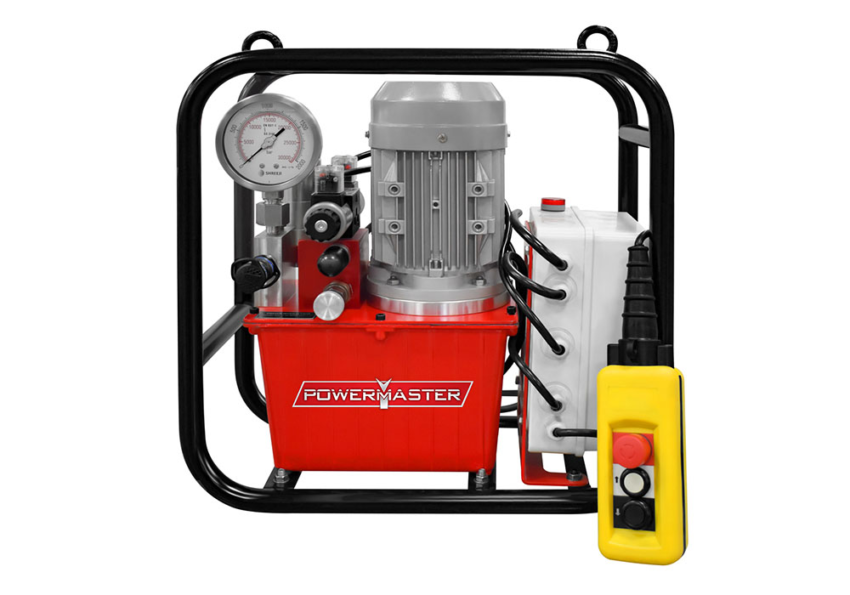
A bolt tensioning device is a necessary tool for these industries because it provides a controlled method of tightening bolts by using methods other than torque to tighten the bolts. A conventional method of tightening bolts is to use the torque method, but the bolt tensioning method can be used to achieve the correct clamping force, which eliminates variations and improves the consistency of the installation of the bolted assembly.
What Is a Bolt Tensioner?
A bolt tensioner is a mechanical (or hydraulic) tool that stretches a bolt along its length prior to attaching the nut. After the required tension is achieved, the nut is fastened, and the tensioner is released. This technique produces an even distribution of load and eliminates many of the inaccuracies associated with tightening using friction as the method of tightening.
Applications where bolt tensioners are frequently used are as follows:
- Big Bolts
- High-Pressure Flanges
- Structural Steel Connections
- Critical Rotating Equipment
Bolt tensioners are critical for producing consistent and dependable results in high-risk, high-load applications.
How Hydraulic Bolt Tensioners Work
Using hydraulic fluid under high pressure allows a hydraulic bolt tensioner to apply load to an axial bolt with ease. This approach is simple but very effective. The steps involved are as follows: the tensioner will fit onto the bolt; hydraulic pressure is used to stretch the bolt to an intended load; the nut will be placed onto the bolt either by hand or through a tool; pressure released transfers the load to the joint; thread friction is bypassed (resulting in an actual load on the bolt being nearly equal to what it was intended to be).
Advantages of Using Hydraulic Bolt Tensioners
There are many reasons why bolt tensioners using hydraulic methods for tensioning have become the preferred option versus conventional forms of tightening; the advantages to using hydraulic tensioning as a form of bolt tensioning include:
- Fewer errors and more consistent results
- Ideal load distribution, when a group of bolts is being tightened at the same time.
- Decreased chance of joint or bolt failure, resulting in joint leakage when a jacket (or similar material) compresses it.
- Quickly install large flange-type assemblies.
- Greater safety for the operator.
Consequently, hydraulic tensioning is the preferred method for industries as diverse as oil and gas, power generation, petrochemicals, shipbuilding, and heavy engineering.
Bolt Tensioners vs Torque Wrenches
Torque wrenches are commonly used; however, their effectiveness also depends primarily on the amount of friction there is: lubrication, surface condition, and thread quality can all lead to variations in the amount of torque being applied to the fastener (i.e., bolt). In contrast, bolt tensioners work by applying force directly to the bolt and are therefore better able to provide predictable and consistent results.
For critical joints, where failure isn’t an option, bolt tensioners represent an extremely reliable and long-term method of achieving pre-determined loadings.
Choosing the Right Bolt Tensioner
The selection of a bolt tensioner requires consideration of the following factors:
- Bolt size and grade
- Load required
- Available clearance
- Environment of application
Final Thoughts
As the complexity of industrial systems and regulatory pressures increase, there is a rising demand for precise bolting solutions. Properly designed bolt tensioners (hydraulic bolt tensioners, particularly) will help maintain structural stability, ensure maximum operational efficiency and guarantee reliable long term performance.
POWERMASTER Ltd is the premier source of high-performance and durable bolt tensioning systems used in many demanding applications needing reliable bolting solutions engineered to perform.