
When a dog suddenly can’t walk on its back leg, it can be distressing for both the pet and the owner. Understanding the causes and exploring effective dog back leg paralysis treatment options are crucial steps in ensuring your furry friend gets the help they need.
What Causes Paralysis in Dogs?
Paralysis in dogs can stem from various factors, ranging from injuries to underlying health conditions. Common causes include:
- Trauma: Accidents or falls can lead to spinal injuries, resulting in paralysis.
- Intervertebral Disc Disease (IVDD): A condition where the discs in the spine degenerate, leading to nerve damage.
- Infections: Certain infections can affect the nervous system, causing paralysis.
- Tumors: Growths on the spine or brain can impede nerve function.
Understanding these causes helps in determining the right course of action for treatment.
Signs of Paralysis in Dogs
Recognizing the signs of paralysis in dogs early can make a significant difference in treatment outcomes. Some of the key signs include:
- Sudden inability to move one or more legs
- Limping or dragging of the affected limb
- Loss of bowel or bladder control
- Changes in posture or balance
If you notice any of these signs, it’s important to consult a veterinarian immediately to assess the situation and begin treatment.
Dog Back Leg Paralysis Treatment Options
There are several treatment options available for dogs experiencing back leg paralysis, depending on the underlying cause. Here are some common approaches:
- Medication: Anti-inflammatory drugs can reduce swelling and pain, while antibiotics can treat infections.
- Surgery: In cases of IVDD or tumors, surgical intervention may be necessary to relieve pressure on the nerves.
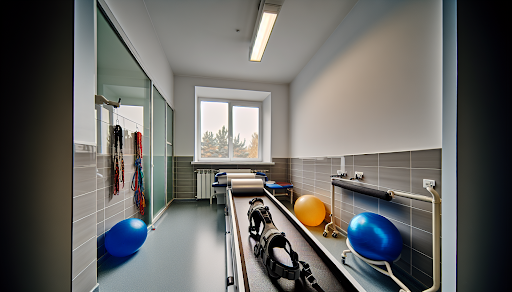
- Physical Therapy: Rehabilitation exercises can help improve mobility and strengthen muscles.
- Acupuncture: This alternative therapy can promote nerve function and reduce pain.
Each treatment plan should be tailored to the individual dog’s needs, taking into account the severity of the condition and the overall health of the pet.
Home Care and Management
In addition to professional treatment, home care is crucial in managing a dog with paralysis. Here are some tips for caring for your pet at home:
- Create a Comfortable Space: Ensure your dog has a safe and comfortable area to rest, with easy access to food and water.
- Assist with Mobility: Use slings or harnesses to help your dog move around safely.
- Maintain Hygiene: Regularly clean your dog to prevent infections, especially if they have lost bladder or bowel control.
- Monitor Progress: Keep track of any changes in your dog’s condition and report them to your veterinarian.
Home care plays a vital role in supporting the recovery process and improving your dog’s quality of life.
Preventing Future Paralysis
While not all cases of paralysis can be prevented, certain measures can reduce the risk:
- Regular Vet Check-Ups: Routine examinations can catch potential issues early.
- Weight Management: Keeping your dog at a healthy weight reduces stress on their joints and spine.
- Safe Environment: Ensure your home is free of hazards that could lead to injury.
By taking these preventive steps, you can help protect your dog from future episodes of paralysis.
Conclusion
Understanding the causes and treatments for dog back leg paralysis is essential for any pet owner. With prompt veterinary care and a supportive home environment, many dogs can recover mobility and enjoy a better quality of life. If your dog is experiencing signs of paralysis, consult with a veterinarian to explore the best treatment options tailored to their needs.