
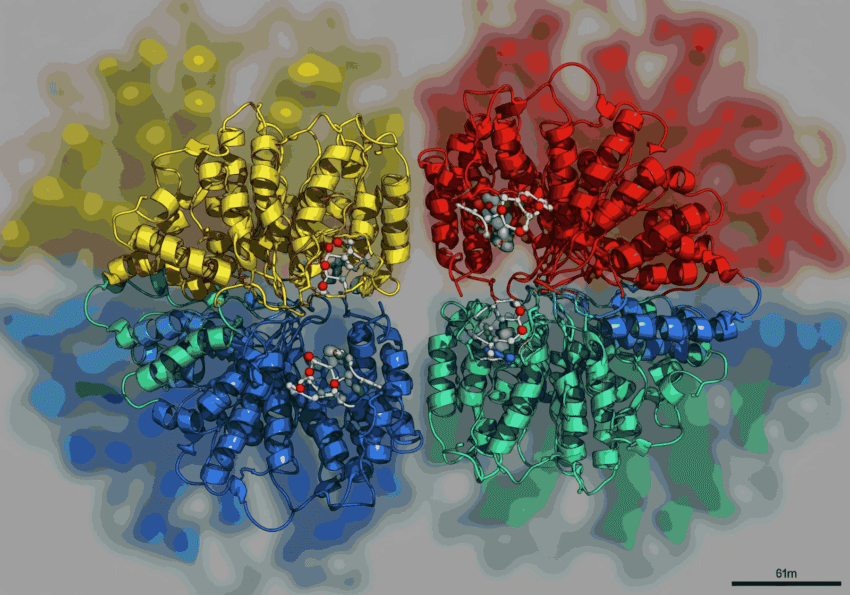
The SHBG protein, or Sex Hormone-Binding Globulin, is a glycoprotein produced primarily in the liver that plays a critical role in regulating the bioavailability of sex hormones in the bloodstream. As one of the most widely studied hormone transport proteins, SHBG has important implications in endocrinology, reproductive medicine, and metabolic disease research. Recombinant SHBG protein produced through controlled expression systems enables researchers to study its binding characteristics, clinical associations, and assay development applications with precision.
Understanding the Biological Role of SHBG
SHBG binds with high affinity to androgens such as testosterone and dihydrotestosterone (DHT), as well as to estradiol. By binding to these hormones, SHBG limits their free, biologically active form in circulation. Only the unbound (free) fraction of sex hormones can interact with intracellular receptors to exert biological effects.
This regulatory function makes sex hormone-binding globulin a key indicator in hormonal disorders, including polycystic ovary syndrome (PCOS), hypogonadism, and certain thyroid conditions. Serum SHBG levels are also associated with insulin resistance, metabolic syndrome, and cardiovascular risk.
Structure and Expression of SHBG Protein
SHBG is a homodimeric glycoprotein encoded by the SHBG gene on chromosome 17. Each monomer contains a steroid-binding domain with a high-affinity binding site for sex steroids. Post-translational glycosylation is important for its structural stability and secretion.
Recombinant SHBG expression has been achieved in various systems, including mammalian cell lines (such as HEK293 and CHO), which are preferred for producing glycosylated forms that closely mimic the native protein. E. coli-expressed SHBG may lack glycosylation but is useful for structural studies requiring large quantities of protein.
Applications of Recombinant SHBG in Research
Immunoassay Development
Recombinant SHBG assay development is a primary application in clinical diagnostics. High-purity recombinant SHBG serves as a reference standard or calibrator in ELISA-based immunoassays used for serum SHBG quantification. Consistency between lots is critical for reliable diagnostic performance.
Structural Biology
Crystallography and cryo-EM studies of SHBG have provided detailed insight into steroid-binding mechanisms. Recombinant protein enables researchers to produce sufficient quantities of pure androgen binding protein for structural investigations and ligand-binding experiments.
Drug Discovery and Endocrine Research
SHBG is increasingly recognized as a potential biomarker and therapeutic target. Researchers studying hormone-sensitive cancers, fertility, and metabolic disorders use recombinant SHBG to assess how various compounds interact with its steroid-binding pocket, potentially modulating free hormone availability.
Clinical Significance of SHBG Levels
Abnormal SHBG concentrations are associated with a range of clinical conditions. Elevated SHBG can lead to reduced free testosterone, contributing to symptoms of androgen deficiency in men and women. Conversely, low SHBG — often seen in obesity, type 2 diabetes, and hypothyroidism — results in increased free estrogen and androgen activity, with associated health risks.
Accurate SHBG measurement using validated immunoassays is therefore essential in clinical evaluation and ongoing monitoring of hormonal therapies.
Factors That Influence SHBG Protein Levels
Understanding what regulates SHBG protein levels is essential for interpreting experimental results and clinical data accurately. SHBG concentrations are not static—they are influenced by a combination of hormonal, metabolic, and physiological factors that can significantly alter hormone bioavailability.
Hormonal Regulation
SHBG expression is strongly influenced by endocrine signals. Estrogens tend to increase SHBG production, while androgens such as testosterone suppress it. Thyroid hormones also play a role, with hyperthyroidism elevating SHBG levels and hypothyroidism reducing them. This makes SHBG a sensitive downstream marker in studies involving endocrine disruption or hormone therapy.
Metabolic Factors
Insulin is one of the most important regulators of SHBG. High insulin levels—commonly seen in insulin resistance and type 2 diabetes—suppress SHBG synthesis in the liver. As a result, low SHBG is often used as an indirect biomarker for metabolic dysfunction. Obesity further compounds this effect, making it a key confounding variable in both clinical and laboratory studies.
Age and Sex Differences
SHBG levels vary significantly across age groups and between sexes. In men, SHBG levels tend to increase with age, which contributes to declining free testosterone levels despite relatively stable total testosterone. In women, SHBG fluctuates with menstrual cycles, pregnancy, and menopausal status. These variations must be carefully controlled or accounted for in study design.
Liver Function and Health Status
Since SHBG is synthesized in the liver, hepatic health directly impacts its production. Liver diseases can either increase or decrease SHBG levels depending on the condition and severity. This is particularly relevant when interpreting SHBG as a biomarker in studies involving systemic disease or pharmacological interventions.
Implications for Research Design
Failure to control for these variables can lead to misleading conclusions, especially in hormone-related studies. Researchers using recombinant SHBG or measuring endogenous levels should standardize conditions such as fasting state, BMI, and hormonal status wherever possible. Including SHBG alongside total and free hormone measurements provides a more complete and biologically meaningful dataset.
Conclusion
The SHBG protein occupies a central role in hormone regulation and continues to be an important focus of both basic and translational research. Recombinant SHBG has enabled significant advances in assay development, structural biology, and drug discovery. For researchers requiring high-purity, well-characterized recombinant SHBG, selecting a supplier with robust expression and quality control protocols is essential to producing reliable and reproducible experimental results.