
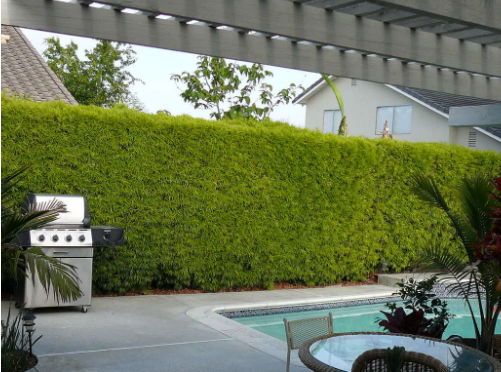
A thriving green hedge can turn an ordinary yard into a secluded retreat, and few plants deliver that transformation as elegantly as the Podocarpus hedge. Known for its lush evergreen foliage and graceful upright growth, Podocarpus (Podocarpus gracilior) is a favorite among homeowners and landscape designers who want lasting privacy without sacrificing beauty. With several cultivars available, it’s worth understanding which varieties provide the best natural screen for your property.
Why Choose Podocarpus for Privacy
Podocarpus offers a unique combination of beauty, resilience, and versatility. Native to Asia and Africa, this evergreen tree adapts well to a wide range of climates, including the warm, sunny conditions of California and the southern United States. Once established, it requires minimal maintenance and is drought-tolerant, making it ideal for water-conscious landscapes.
Unlike traditional hedging plants that can appear dense or boxy, a Podocarpus hedge grows with a soft, feathery texture that blends seamlessly into both modern and classic garden designs. Its naturally upright habit also makes it an excellent alternative to fencing or masonry walls, providing a living barrier that’s both elegant and eco-friendly.
Top Podocarpus Varieties for Natural Privacy
1. Podocarpus Gracilior (Fern Pine)
Often called the “Fern Pine,” Podocarpus gracilior is the most popular choice for tall privacy screens. With proper care, it can reach 40 feet or more, though it’s easily maintained at a lower height with regular pruning. Its slender, bright-green leaves form a dense canopy that effectively blocks views and muffles sound. This variety thrives in full sun to partial shade and tolerates a range of soil types, making it versatile for urban or suburban settings.
2. Podocarpus Macrophyllus (Japanese Yew)
If you prefer a slightly different texture, Podocarpus macrophyllus—commonly known as Japanese Yew—is another excellent privacy option. Its darker, narrower foliage creates a rich backdrop for flowering plants and accent trees. This variety is particularly well-suited for formal hedges and can be shaped into clean lines or soft, natural forms depending on your design preferences.
3. Podocarpus Maki (Shrubby Yew)
For smaller spaces or lower screens, Podocarpus maki is a compact selection that tops out around 8 to 10 feet. It’s perfect for defining property boundaries or creating intimate garden rooms without overwhelming the space. Its slower growth habit means less pruning and maintenance while still offering year-round greenery.
Planting and Care Tips
Establishing a healthy Podocarpus hedge begins with proper planting. Choose a site with well-drained soil and ample sunlight. Dig holes twice as wide as the root ball to allow for root expansion, and space plants 3 to 5 feet apart, depending on the desired density.
Water newly planted hedges regularly during the first year to help roots establish, then reduce irrigation once the plants are settled. Apply a balanced, slow-release fertilizer in spring to encourage lush growth. Light pruning two to three times a year keeps the hedge tidy and encourages branching for a thicker screen.
Design Ideas for Maximum Privacy
Podocarpus works beautifully as a standalone hedge or combined with other trees for a layered effect. For example, pairing a tall Podocarpus backdrop with flowering shrubs or ornamental grasses creates depth and seasonal color. In larger landscapes, staggered rows of Podocarpus and complementary evergreens can form a natural sound barrier, reducing street noise and enhancing outdoor living spaces.
For a contemporary look, consider trimming the hedge into geometric shapes or creating a “green wall” effect along property lines. In traditional gardens, allow the branches to grow more freely for a soft, organic feel.
Sustainable and Eco-Friendly Choice
Choosing a living hedge over a solid fence provides environmental benefits as well. Podocarpus captures carbon dioxide, improves air quality, and provides shelter for birds and beneficial insects. Its drought tolerance means less water consumption over time, making it a sustainable addition to any landscape plan.
Conclusion
When it comes to creating a serene, private outdoor space, the Podocarpus hedge stands out for its elegance and adaptability. Varieties such as Podocarpus gracilior, Podocarpus macrophyllus, and Podocarpus maki each offer unique growth habits and aesthetic qualities, allowing you to match the perfect plant to your property’s size and style. By combining these evergreens with other Privacy Trees, you can design a lush, living barrier that protects your space while enhancing the natural beauty of your landscape.
For homeowners and designers seeking a long-lasting, low-maintenance solution, Podocarpus remains one of the most dependable choices. With proper planting and care, it will reward you with years of greenery and a tranquil, secluded retreat.