
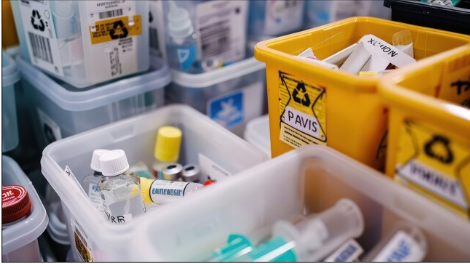
In an era where healthcare and environmental protection are paramount, proper biohazard disposal plays a critical role in safeguarding both public health and the ecosystem. Hospitals, laboratories, and medical facilities generate a wide range of biohazardous waste—from contaminated sharps to infectious materials—that must be handled responsibly. Without strict management protocols, these materials can expose healthcare workers, patients, and communities to serious health risks. Equally important, improper disposal can lead to environmental contamination, putting natural resources and wildlife in jeopardy.
This blog explores why biohazard disposal is essential, how it protects public safety, and the best practices for ensuring compliance and efficiency in waste management.
Understanding Biohazard Waste
Biohazardous waste refers to any material that contains infectious agents or substances that pose a risk to humans, animals, or the environment. Common examples include:
- Used needles and syringes
- Blood-soaked bandages
- Contaminated surgical instruments
- Microbiological cultures
- Pathological waste from surgeries or research
Because of the potentially harmful nature of these materials, specialized handling and disposal processes are required to neutralize the risks.
The Public Health Impact of Improper Disposal
Improper disposal of biohazardous materials is not just a regulatory issue—it’s a public health threat. Exposure to infectious waste can result in:
- Spread of Disease: Infectious agents can easily transfer to healthcare workers, sanitation staff, and the general public if waste is not contained properly.
- Needle-stick Injuries: Discarded sharps that are not stored in secure containers can cause accidental injuries, potentially transmitting bloodborne pathogens.
- Environmental Pollution: Waste that enters landfills or water supplies without proper treatment can release toxins and pathogens into the ecosystem.
By addressing these risks proactively, healthcare providers and waste management services uphold their responsibility to protect communities.
Regulatory Frameworks and Compliance
Government agencies and healthcare regulators have established strict rules for handling biohazardous waste. Facilities must follow guidelines that outline storage, transportation, and disposal procedures. Compliance ensures that hazardous materials are safely treated and reduces liability for organizations.
Regulations also emphasize proper employee training, documentation, and the use of certified containers and disposal methods. This approach creates a systematic framework that minimizes the potential for accidents and environmental hazards.
Biohazard Disposal in Healthcare Facilities
Healthcare facilities are the primary producers of biohazardous waste, making their role in safe disposal particularly crucial. Hospitals and clinics implement specialized protocols that include:
- Segregating waste at the source
- Using color-coded containers and sharps bins
- Storing waste in secure, clearly labeled areas
- Partnering with certified waste management providers for collection and treatment
Outsourcing to specialized services ensures that facilities can focus on patient care while experts handle compliance, transportation, and destruction of hazardous waste.
Special Considerations: Pharmaceutical Waste
Beyond biohazardous waste, healthcare organizations must also manage pharmaceutical waste disposal carefully. Expired medications, chemotherapy drugs, and unused prescriptions can be hazardous if they enter the water supply or are disposed of in general waste. This type of waste requires specialized handling because it poses chemical risks as well as biological threats.
By integrating pharmaceutical waste protocols into overall biohazard disposal programs, facilities strengthen their commitment to patient safety and environmental stewardship.
Environmental Responsibility in Waste Management
One of the often-overlooked aspects of biohazard disposal is its environmental impact. Safe treatment methods, such as autoclaving or incineration, neutralize infectious materials while reducing the risk of pollution. Modern technologies also prioritize energy efficiency and emissions control, ensuring that healthcare waste management aligns with broader sustainability goals.
As communities become more eco-conscious, adopting environmentally responsible disposal methods builds trust with patients and reinforces a facility’s reputation for social responsibility.
Training and Awareness for Staff
Even the best protocols and technologies are ineffective without proper training. Ensuring that healthcare staff, sanitation teams, and laboratory workers understand how to handle, segregate, and dispose of hazardous waste is essential. Regular training sessions not only minimize risks but also keep organizations compliant with evolving regulations.
When staff members are well-informed, they become the first line of defense in preventing accidents and ensuring safe disposal practices.
The Role of Professional Waste Management Services
Partnering with experienced biohazard disposal providers offers multiple advantages:
- Compliance Expertise: Professionals stay updated on regulatory requirements.
- Safety Measures: Advanced equipment and trained staff minimize exposure risks.
- Convenience: Outsourcing saves time and resources for healthcare facilities.
- Accountability: Certified providers ensure documentation and transparency in disposal processes.
These partnerships give organizations peace of mind while enhancing the overall safety of communities.
Conclusion
Proper biohazard disposal is not just a regulatory requirement—it is a fundamental element of public health and safety. By effectively managing hazardous waste, healthcare facilities protect their staff, patients, and the environment from unnecessary risks. Integrating processes for handling sensitive materials, such as pharmaceutical waste disposal, strengthens the overall framework for safe and sustainable operations.