
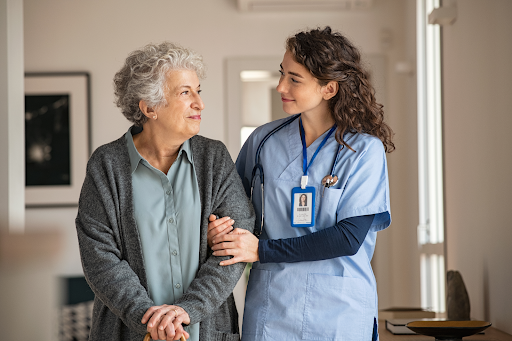
Becoming a caregiver is more than a profession; it’s a calling rooted in compassion, empathy, and a genuine desire to help others. Whether you’re caring for the elderly, assisting patients in hospitals, or supporting individuals with special needs, caregivers play an essential role in healthcare and daily life. If you’re considering pursuing this rewarding career, Dubai offers excellent opportunities through specialised training and professional certifications. Choosing the right caregiver institute in Dubai is the first step toward building a meaningful and stable career in the healthcare sector.
In this guide, we’ll walk you through everything you need to know about caregiver programs, their benefits, what to expect, and how to start your journey toward becoming a certified professional.
Why Become a Caregiver in Dubai?
Dubai’s healthcare industry is growing rapidly, creating a strong demand for trained caregivers. With an ageing population and a global emphasis on quality healthcare, caregivers are increasingly sought after across hospitals, nursing homes, and private residences.
In addition, caregiving provides more than just job security; it offers personal fulfilment. Every day, caregivers make a positive difference in someone’s life. Whether you’re helping an elderly person regain mobility or providing emotional support to a recovering patient, the impact of your work is tangible and deeply rewarding.
The city’s healthcare policies and international standards make Dubai an excellent place to gain formal caregiving training. By enrolling in a reputable caregiver institute in Dubai, you open doors to both local and international career opportunities.
Understanding Caregiver Training Programs
Caregiver training is not just about learning how to assist physically; it’s about understanding human needs in a holistic way. Reputable caregiver training programs include modules that cover both the practical and emotional aspects of caregiving.
Typical areas of study include:
- Basic medical and health care: Learning to measure vital signs, administer medications, and manage patient hygiene.
- Nutrition and wellness: Understanding dietary needs, meal planning, and feeding techniques.
- Elderly and palliative care: Providing support to the elderly and terminally ill with compassion and professionalism.
- First aid and emergency response: Equipping caregivers to handle medical emergencies confidently.
- Communication and interpersonal skills: Building strong relationships with patients and their families.
Upon completion, candidates are awarded certificates recognised by healthcare employers both in the UAE and abroad.
Steps to Becoming a Certified Caregiver in Dubai
- Research Accredited Institutes: Begin by identifying certified institutions that specialise in caregiving education. Accreditation ensures that the training meets professional standards.
- Enrol in a Comprehensive Program: Choose a course that offers both theoretical instruction and practical sessions. Practical exposure helps you apply learned skills in real-world situations.
- Complete Assessments and Examinations: Most programs include assessments to evaluate your knowledge and competence. Passing these exams is crucial to earning your certification.
- Apply for Certification: Once you complete your coursework, you’ll receive a certification that qualifies you to work as a caregiver in hospitals, clinics, or home care facilities.
- Seek Employment or Specialise Further: After certification, many caregivers choose to specialise in areas like elderly care, child care, or rehabilitation support, expanding their career opportunities.
Benefits of Enrolling in a Caregiver Institute
A well-structured institute doesn’t just teach, it transforms. Here’s how joining a professional training center benefits aspiring caregivers:
- Hands-On Learning: Gain practical experience through simulated environments and real case studies.
- Certified Instructors: Learn from industry professionals with years of field experience.
- Career Guidance: Get assistance in job placements and interviews post-certification.
- International Recognition: Many certifications are accepted globally, broadening your employment potential.
When selecting your institute, focus on programs that combine technical education with emotional intelligence training. The goal is to prepare you not just as a healthcare assistant, but as a compassionate human being who uplifts patients’ lives.
What to Expect During Training
During your training, expect a blend of classroom sessions, workshops, and supervised internships. The journey might be challenging, but it’s designed to prepare you for real-life caregiving scenarios, ensuring you gain practical experience alongside theoretical knowledge. Regular assessments will track your progress and identify areas for improvement.
You’ll learn how to handle sensitive medical conditions, interact with diverse patients, and manage stress effectively. Communication and patience will become your strongest tools. Most importantly, you’ll develop empathy, the heart of caregiving. You will also be trained in crucial first aid and emergency response techniques to handle unforeseen situations with confidence.
Training programs usually last from a few weeks to several months, depending on the certification level you choose. Advanced courses may also cover specialized areas, such as dementia care, physiotherapy support, or mental health assistance.
Career Opportunities for Certified Caregivers
Once certified, caregivers can pursue roles in a variety of settings, including:
- Hospitals and Clinics
- Rehabilitation Centers
- Elderly Care Homes
- Private Residences
- NGOs and Charitable Organisations
Additionally, with the right experience, you can progress into supervisory roles or even pursue advanced nursing certifications. The demand for skilled caregivers is not limited to Dubai; it’s a global requirement, meaning your skills can take you anywhere in the world.
How to Choose the Right Training Institute
When searching for a caregiver institute, consider these essential factors:
- Accreditation: Ensure relevant authorities recognise the institute.
- Curriculum: Review the subjects and practical training offered.
- Faculty Experience: Look for instructors with real-world experience in caregiving.
- Facilities: A good institute provides modern training equipment and simulation environments.
- Job Support: Institutes that assist with placement often offer better career outcomes.
Selecting the right institution is an investment in your future. Don’t just look for affordability, focus on quality and reputation.
Conclusion
The demand for professional caregivers continues to grow, and now is the perfect time to begin your journey. With structured caregiver training programs, you can gain the skills, confidence, and credentials to excel in this meaningful profession.
If you’re ready to make a difference, Strong Point Educational Training Institute is here to guide you. With years of experience in healthcare and professional training, Strong Point empowers individuals to build successful careers with discipline, knowledge, and compassion.
Join Strong Point today and turn your passion for care into a profession that changes lives, starting with your own.