
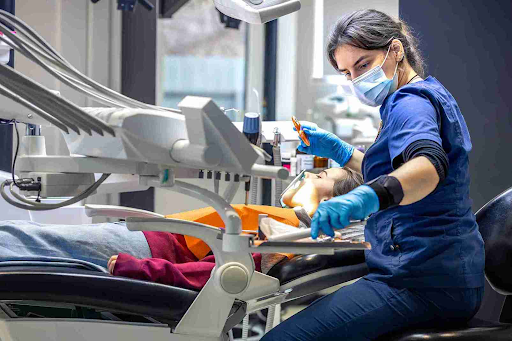
A healthy smile depends on more than clean, white teeth. Tooth loss, developing alignment problems, and untreated dental concerns can affect chewing, speech, confidence, and long-term oral health. Understanding available treatments helps patients make informed decisions at different stages of life. Whether someone is considering dental implants, looking for a reliable pediatric dentist in Bangalore, or exploring modern teeth-straightening options, the right treatment begins with an accurate assessment of individual dental needs.
1. Replacing Missing Teeth To Restore Everyday Function
Losing a permanent tooth can affect much more than appearance. A missing tooth may make chewing difficult, create gaps that allow neighbouring teeth to shift, and affect the balance of the bite. Some people also experience changes in speech, particularly when several teeth are missing.
Replacing missing teeth helps restore oral function and maintain the arrangement of surrounding teeth. The appropriate solution depends on the number of missing teeth, jawbone condition, gum health, and personal preferences. Options may include removable dentures, dental bridges, or implant-supported restorations.
Early evaluation is useful because the condition of the surrounding teeth and supporting bone can influence the available treatment choices.
2. How Dental Implants Support Jawbone Health
When a tooth is lost, the jawbone beneath it no longer receives the stimulation previously provided by its natural root. Over time, this can contribute to bone resorption, reducing the volume of bone in the affected area.
Dental implants are designed to replace the root portion of a missing tooth. A small titanium or suitable alternative implant is placed into the jawbone, where it gradually integrates with the surrounding bone through a process called osseointegration. Once healing is adequate, a dental crown or another suitable restoration is attached.
This arrangement provides a stable foundation for chewing and helps preserve the structure of the jaw. However, successful treatment requires sufficient bone support, healthy gums, and appropriate planning. Some patients may need additional procedures, such as bone grafting, before implant placement.
3. Choosing The Right Dentist For Young Patients
Children may feel uncertain about dental instruments, unfamiliar sounds, or clinical procedures. A welcoming environment and age-appropriate communication can make dental visits easier and encourage positive habits.
When selecting a pediatric dentist in Bangalore, parents should consider the dentist’s experience with children’s oral health, preventive treatment approach, communication style, and ability to manage age-specific dental concerns.
A good consultation should also involve parents. Understanding brushing techniques, fluoride recommendations, dietary habits, and cavity prevention helps families maintain oral health between appointments. The first dental visits should ideally happen early in childhood rather than waiting for tooth pain. Regular assessments create opportunities to address small concerns before they develop into more complicated problems.
4. Children’s Dental Development Needs Attention
Children’s teeth change rapidly as they grow. Baby teeth support chewing, speech development, and the positioning of permanent teeth. Losing them too early because of decay or injury may sometimes affect the available space for incoming teeth.
Regular dental visits help monitor tooth eruption, jaw development, and oral hygiene. They also allow dentists to identify concerns such as cavities, enamel defects, bite irregularities, and habits that may influence dental development.
Parents should pay attention to persistent mouth breathing, thumb sucking, difficulty chewing, and unusually crowded teeth. These observations do not automatically indicate a serious problem, but discussing them during a dental examination can help determine whether further evaluation is needed.
5. Straightening Teeth With Removable Aligners
Traditional braces are not the only option for correcting certain alignment concerns. Invisible aligners use a series of custom-made, transparent trays that gradually move teeth towards planned positions.
Each set applies controlled pressure to selected teeth. Patients usually progress through several trays according to their dentist’s instructions. Since aligners are removable, they can be taken out while eating, drinking anything other than water, and brushing.
However, treatment requires discipline. Wearing the trays for the recommended number of hours each day is important for achieving the planned movement. Irregular use can delay progress and affect the final result. Aligners are suitable for many mild to moderate alignment concerns, although some complex bite and tooth movements may require other orthodontic methods.
6. Maintaining Oral Hygiene During Aligner Treatment
Removable aligners make daily cleaning convenient, but they also require consistent maintenance. Food particles and bacteria can become trapped between teeth and trays if patients put aligners back without cleaning their mouths.
Patients should brush and floss before reinserting their trays whenever possible. Aligners should be cleaned according to the dentist’s instructions using suitable products and lukewarm water. Hot water should be avoided because it can distort the plastic material.
Drinking sugary or coloured beverages while wearing aligners may increase the risk of tooth decay and staining. Removing the trays for meals and non-water drinks helps maintain better hygiene. Regular orthodontic reviews allow the dentist to monitor tooth movement and make adjustments if necessary.
7. Coordinating Dental Treatments For Long-Term Results
Some patients require more than one type of dental treatment to achieve their oral health goals. For example, someone with missing teeth and alignment concerns may need a carefully sequenced treatment plan rather than undergoing procedures independently.
Orthodontic treatment may be considered before restorative work in selected cases, while implant placement requires attention to the final tooth position and available bone support. Children with developing bite concerns may also benefit from early monitoring before a decision about orthodontic intervention is made.
Coordinated planning helps avoid unnecessary procedures and ensures that each stage supports the overall treatment objective. It also gives patients a clearer understanding of timelines, responsibilities, and expected outcomes.
Conclusion
Dental treatment decisions should consider both immediate concerns and future oral health. Replacing missing teeth, monitoring children’s dental development, and correcting alignment problems can each contribute to better function and healthier smiles. Regular examinations, suitable treatment planning, and consistent home care remain essential throughout life. Whether patients need guidance on dental implants or other restorative procedures, consulting experienced dental professionals is important. The team at The Silverline Dentistry can help patients understand suitable treatments and plan their next steps with confidence.