
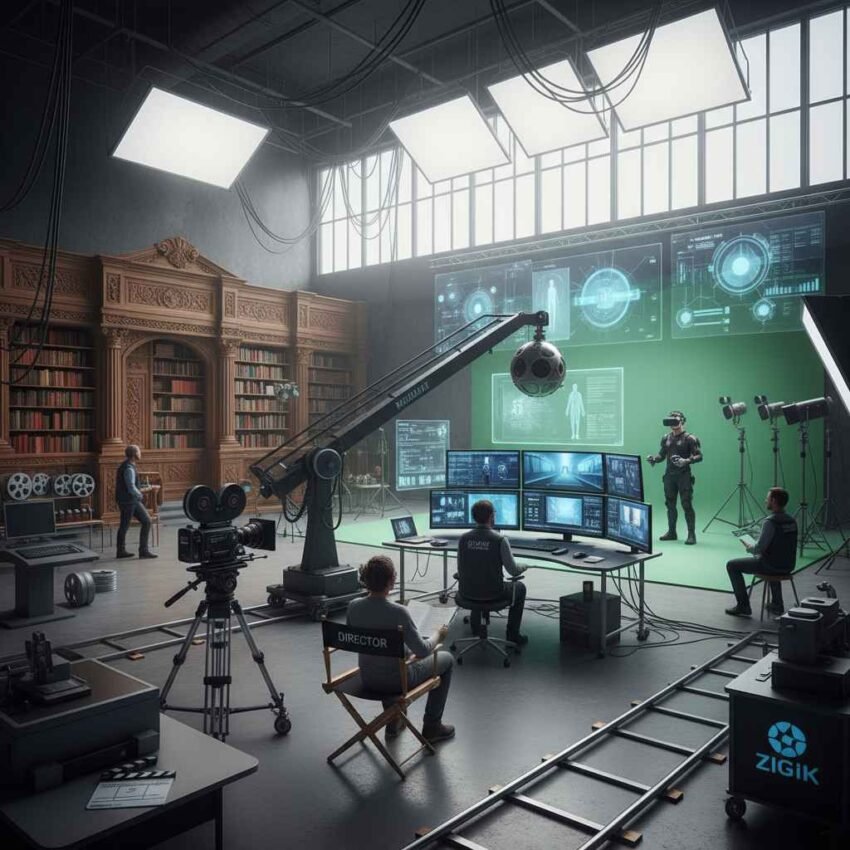
In 2026, the film industry continues to evolve at a rapid pace, driven by technological advancements and innovative storytelling techniques. With a vast array of film courses available, aspiring filmmakers face the daunting task of selecting the right program to launch their careers. Understanding the nuances of each course can be challenging, but it’s crucial for those looking to make their mark in this competitive field.
Choosing the right film course requires more than just browsing through a catalog. You need to consider factors such as curriculum, faculty expertise, and industry connections. Among the myriad of options, AFI courses stand out particularly due to their emphasis on practical experience and industry relevance. Whether you’re interested in screenwriting, cinematography, or directing, these courses offer a comprehensive education tailored to your career aspirations.
Understanding the Film Industry Landscape
Before diving into specific courses, it’s essential to grasp the broader context of the film industry in 2026. With streaming platforms dominating market trends, traditional cinema is adapting to new consumer behaviors. This shift has increased demand for diverse content, opening up opportunities for fresh voices and innovative concepts.
Emerging technologies like virtual reality (VR) and artificial intelligence (AI) are reshaping how films are produced and consumed. As a result, courses that incorporate these technologies into their curriculum provide a significant advantage. Look for programs that offer training in digital tools and techniques, as these skills are increasingly critical for modern filmmakers.
Key Factors in Selecting a Film Course
When evaluating film courses, consider the following key factors to ensure you make an informed decision:
- Curriculum Focus: Does the course align with your career goals? Whether you’re passionate about documentary filmmaking or visual effects, ensure the program offers specialized tracks that cater to your interests.
- Faculty and Mentorship: The quality of instructors can significantly impact your learning experience. Look for courses led by industry veterans and professionals who bring real-world insights into the classroom.
- Hands-On Experience: Practical experience is vital in film education. Courses that offer hands-on projects, internships, or collaborations with production companies provide invaluable opportunities to apply your skills in real-world scenarios.
- Industry Connections: Networking is crucial in the film industry. Programs with strong industry ties can facilitate internships, job placements, and mentorship opportunities, giving you a competitive edge.
- Alumni Success: Research the success stories of past graduates. Alumni achievements can provide insights into the program’s effectiveness in preparing students for successful careers.
Exploring Innovative Film Courses
In 2026, innovative film courses are those that integrate cutting-edge technology and modern storytelling techniques. Here are some standout options:
- Virtual Reality Filmmaking: As VR technology advances, courses focusing on immersive storytelling are gaining popularity. These programs teach students how to create engaging VR content, providing a new dimension to traditional filmmaking.
- AI in Film Production: AI is revolutionizing film production, from script analysis to post-production editing. Courses that incorporate AI tools offer students a unique skill set that is highly sought after in the industry.
- Sustainable Filmmaking: With increasing awareness of environmental issues, sustainable filmmaking practices are becoming more prevalent. Courses that emphasize eco-friendly production techniques are not only timely but also align with global sustainability goals.
- Interactive Storytelling: The rise of interactive media has led to a demand for courses that teach students how to create branching narratives and participatory experiences. This approach allows filmmakers to engage audiences in new and dynamic ways.
The Role of Online Learning
Online learning platforms have transformed film education by making it more accessible and flexible. In 2026, many courses offer online or hybrid formats that allow students to learn at their own pace and from any location. This flexibility is particularly beneficial for working professionals or those unable to relocate for traditional in-person programs.
Online courses often include interactive modules, live webinars, and peer collaboration opportunities, ensuring a comprehensive learning experience. Additionally, they frequently provide access to a global network of peers and industry professionals, enhancing your opportunities for collaboration and networking.
Conclusion
Choosing the right film course in 2026 is a critical step toward a successful career in the film industry. By focusing on programs that offer practical experience, technological integration, and strong industry connections, you can position yourself for success. Whether you opt for traditional in-person learning or embrace the flexibility of online education, the key is to find a course that aligns with your career goals and prepares you for the dynamic world of filmmaking. With the right education and dedication, you’ll be well-equipped to tell compelling stories that resonate with audiences worldwide.