
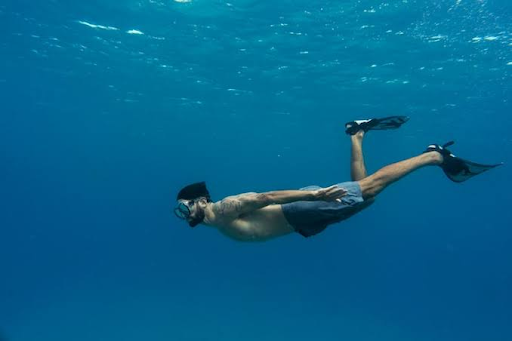
Not every diver arriving on a tropical island needs a course. Plenty already hold a certification from a trip years earlier and just want to get back in the water without any classroom time attached. That’s exactly what a Koh Lipe fun dive is built for — no theory sessions, no skill assessments, just diving purely for the experience of it.
Morning: Gearing Up Without the Pressure
A fun dive day starts differently than a course day. There’s no pre-dive quiz, no confined water skills to demonstrate before heading out — just a gear check, a briefing on the day’s dive sites, and a quick refresher on hand signals for anyone who hasn’t been underwater in a while. For divers who haven’t logged a dive in a year or two, most operators offer a short scuba review to knock the rust off before heading to open water, which tends to make the first dive of the trip feel far less rusty than expected.
Choosing Sites Based on Experience Level and Interest
One advantage of fun diving over a structured course is flexibility in site selection. Divers with more logged dives and stronger buoyancy control might head toward sites with slightly more current or depth, while those easing back into diving after time away often start at a calmer, shallower site to rebuild confidence before progressing further. A good dive guide adjusts the day’s plan based on the actual group’s comfort level rather than running everyone through an identical fixed itinerary — one of the small details that makes a Koh Lipe fun dive feel less rigid than a certification course.
What Makes the Underwater Experience Different Here
The reefs around Koh Lipe are known for healthy coral coverage and a good density of marine life without requiring a long boat ride to reach it. Divers often report seeing hawksbill turtles gliding along the reef edge, schools of fusiliers moving in unison overhead, and smaller details like anemonefish darting in and out of their host anemones for anyone paying attention to the smaller stuff rather than just the big sightings.
The Surface Interval Matters More Than People Realize
Between the two dives that typically make up a standard fun dive day, there’s a required surface interval to let the body off-gas nitrogen safely before the second dive. This isn’t downtime to rush through — it’s a genuine part of diving safely, and most operators use it as a chance to review what was seen on the first dive, swap stories, and get a briefing for the second site. Rushing this interval to squeeze in more dives is a shortcut some less careful operations take, and it’s worth avoiding.
Why Some Divers Come Back for Multiple Fun Dive Days in a Row
Unlike a single bucket-list dive, repeat fun diving over several days lets divers get familiar with a specific set of sites, notice changes in marine life activity depending on tide and time of day, and generally settle into a rhythm that a single dive trip doesn’t allow. Travelers planning a longer stay on the island often build a multi-day dive package around this idea, checking details through the fun diving schedule to plan out which sites to prioritize across their visit.
Who Is Fun Diving Actually For
This isn’t just for advanced divers chasing deeper, more technical sites — it’s equally suited to someone freshly certified who wants low-pressure practice time, or a diver returning after years away who needs to rebuild confidence gradually. The absence of a course structure doesn’t mean lower quality guidance; a good fun dive operation still briefs thoroughly and watches divers closely, just without the formal skill assessments that come with certification training.
The Simple Appeal
At its core, fun diving strips away the structure of a course and leaves just the part most divers actually love — being underwater, watching a reef come alive, and doing it again the next day with slightly less rust and slightly more confidence than the day before.