
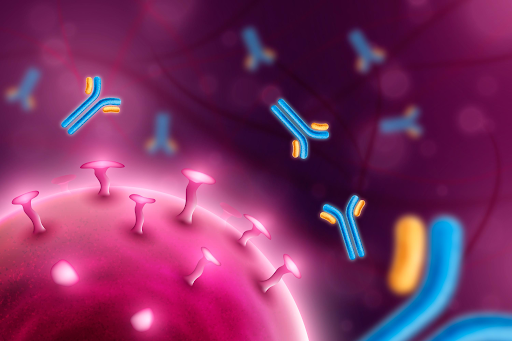
In the complex world of immunological assays, precision is everything. Whether researchers are performing diagnostic testing for pathogens or mapping the cellular architecture of a tissue sample, the ability to visualize specific proteins is the cornerstone of discovery. While the primary antibody is responsible for finding the target, it is often the secondary antibody that does the heavy lifting of signaling its location. Specifically, the use of a human secondary antibody has become a vital tool in specialized clinical research and the development of therapeutic biologics.
To appreciate the utility of these molecules, one must first understand the architecture of an indirect assay. In a direct assay, the primary antibody—the one that binds directly to the target antigen—is labeled with a fluorescent dye or an enzyme. While simple, this method often lacks sensitivity. Indirect assays solve this by using an unlabeled primary antibody followed by a labeled secondary antibody. This second layer acts as an amplifier, as multiple secondary antibodies can bind to a single primary antibody, significantly increasing the detectable signal.
Understanding Host Specificity and Reactivity
A secondary antibody is engineered to recognize the constant region of another antibody based on the species in which it was produced. For example, if a primary antibody was raised in a mouse, a goat anti-mouse secondary would be used. However, in the context of human health research, a human secondary antibody is designed to bind specifically to human immunoglobulins (IgG, IgM, or IgA).
This specificity is essential when scientists are screening human serum for the presence of autoantibodies or evaluating the immune response to a new vaccine. If the goal is to detect whether a patient has produced antibodies against a specific viral protein, the assay requires a secondary tool that can selectively “grab” those human antibodies while ignoring the rest of the biological environment.
The production of these reagents requires a high degree of technical mastery. To ensure the highest level of accuracy, companies like AAAbio utilize sophisticated cross-adsorption techniques. This process removes any antibodies that might bind to the proteins of closely related species, such as non-human primates. By refining these molecules, providers like AAAbio ensure that the human secondary antibody used in a laboratory setting provides a clean, high-contrast result with minimal background noise.
Applications in Modern Medicine
The versatility of these secondary reagents allows them to be used across a variety of platforms, each serving a unique purpose in the medical landscape:
- ELISA (Enzyme-Linked Immunosorbent Assay): Often used in blood testing, the secondary antibody carries an enzyme that triggers a color change, indicating the presence of a specific human immune response.
- Western Blotting: This technique allows researchers to identify specific proteins in a tissue homogenate. A labeled secondary antibody provides the visual band that confirms the protein’s molecular weight and abundance.
- Flow Cytometry: In this application, secondary antibodies are tagged with fluorophores, allowing scientists to sort and count individual human cells based on the markers present on their surface.
- Immunohistochemistry (IHC): This is the gold standard for pathology. By using a human-specific secondary, pathologists can visualize exactly where a disease-related protein is located within a patient’s biopsy.
Overcoming the Challenge of Endogenous Background
One of the greatest hurdles in using human-targeted reagents is the presence of endogenous immunoglobulins. Since human tissues are naturally saturated with their own antibodies, a standard secondary might bind to everything in the sample, creating a dark, unreadable mess.
To solve this, advanced protocols involve blocking steps and the use of F(ab’)2 fragment antibodies. These are secondary antibodies that have had their base (the Fc region) removed. By using only the binding arms of the antibody, researchers can prevent the reagent from sticking to the Fc receptors found on the surface of many immune cells. This strategic modification is a hallmark of high-tier biological manufacturing and is essential for obtaining publishable, reliable data.
The Path Toward Personalized Diagnostics
As we move further into the era of personalized medicine, the demand for highly specific secondary reagents continues to grow. The ability to quantify a patient’s unique immune profile is no longer a luxury of high-end research; it is becoming a standard of care. Whether it is monitoring the efficacy of a monoclonal antibody therapy or detecting the early stages of an autoimmune flare-up, the reliability of the human secondary antibody is what makes these insights possible.
By bridging the gap between a microscopic biological event and a visible, measurable signal, these secondary tools empower clinicians to make informed decisions. They are the silent partners of the primary antibody, ensuring that even the faintest biological whisper can be heard loud and clear in the diagnostic lab.