
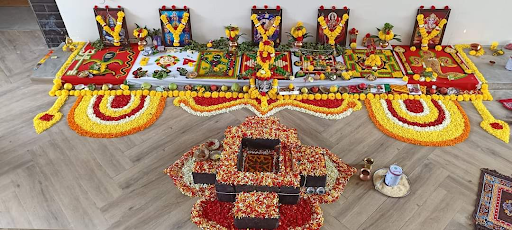
Moving into a new home is more than a change of address. For many families, it represents years of effort, aspirations, and the beginning of an important new chapter. Traditional Hindu rituals help mark this transition by creating a spiritually meaningful atmosphere and seeking blessings for peace, prosperity, and harmony within the household.
Among these traditions, the kalash holds a special place in ceremonies associated with auspicious beginnings. Families preparing for a housewarming ceremony often learn about griha pravesh kalash traditions to understand how the sacred vessel is prepared, placed, and incorporated into the wider puja according to customary practices.
Understanding the Significance of Griha Pravesh
Griha Pravesh is traditionally performed when a family enters a new home for the first time. The ceremony is intended to mark the transition into the new space while invoking divine blessings for the people who will live there.
The rituals may include prayers to different deities, purification practices, offerings, mantras, and other ceremonial elements. The exact procedure can vary according to regional traditions, family customs, and the guidance of the priest conducting the ceremony.
Because the ceremony is deeply connected with auspicious beginnings, families often prefer to prepare everything carefully rather than treating the occasion as an ordinary housewarming event.
The Role of the Sacred Kalash
The kalash is widely associated with abundance, purity, auspiciousness, and divine presence in Hindu rituals. It is commonly prepared using a metal or earthen vessel filled with water and accompanied by other traditional elements.
During a housewarming ceremony, the kalash can become an important part of the ritual arrangement. Families following griha pravesh kalash traditions may seek guidance on the appropriate preparation and placement based on the specific ceremony being performed.
Understanding the symbolism behind each element can also make the ceremony more meaningful. Rather than simply following a list of ritual objects, families can appreciate the spiritual significance attached to them.
Preparing the Home for the Ceremony
Before the puja begins, families generally prepare the new home by cleaning and organising the space. A clean environment creates an appropriate setting for the ceremony and reflects the importance traditionally given to purity and auspicious beginnings.
The puja area should be arranged in consultation with the priest so that the necessary materials are available beforehand. Flowers, lamps, offerings, vessels, fruits, grains, and other ritual items may be required depending on the specific ceremony.
Preparing these items in advance allows the family to participate more peacefully instead of searching for materials during the puja.
Choosing the Right Priest
The priest plays an important role in guiding the family through the ceremony. A knowledgeable priest can explain the sequence of rituals, recite the required mantras, perform the necessary offerings, and help the family understand what is expected during different stages.
Families living away from their native region may have difficulty finding a priest familiar with their traditions. In Bengaluru, for example, families may look for a north indian pandit for puja in Bangalore when they want the ceremony to follow specific North Indian customs.
Regional traditions can influence pronunciation, ritual sequence, offerings, and other aspects of the ceremony. Choosing a priest who understands the family’s preferred tradition can therefore make the experience more comfortable.
Making the Ceremony Meaningful for the Family
A housewarming ceremony is not only about completing rituals correctly. It is also an opportunity for family members to come together and formally welcome a new chapter in their lives.
Children can be introduced to the meaning of the ceremony, while older family members can share traditions and practices that have been followed across generations. This creates a sense of continuity and allows cultural traditions to remain meaningful in modern homes.
Families can also discuss the ceremony with their priest beforehand so that they understand the purpose of the major rituals rather than simply following instructions without context.
Understanding the Timing of Griha Pravesh
Traditionally, the timing of Griha Pravesh is considered important. Families may consult a priest or astrologer to identify an auspicious date and time based on their customary practices.
The muhurat may depend on several factors, including the Hindu calendar, tithi, nakshatra, and other considerations. Since practices can differ according to tradition and individual circumstances, families should seek personalised guidance rather than relying solely on general dates found online.
Once the date and time are decided, the family can plan the remaining arrangements accordingly. This may include inviting relatives, preparing the home, arranging ritual materials, and coordinating with the priest.
Combining Tradition With Modern Living
Modern families often live far from their ancestral towns and may have demanding work schedules. This can make organising traditional ceremonies more challenging than it once was.
However, technology has made it easier to connect with priests, discuss ceremony requirements, and arrange religious services remotely. Families can communicate their preferences in advance and clarify which rituals they want to include. This approach allows traditional ceremonies to remain relevant while adapting to the practical realities of contemporary life.
Preparing for Ganesh Puja
Lord Ganesha is traditionally worshipped before many auspicious Hindu ceremonies because he is associated with the removal of obstacles and the successful beginning of important undertakings.
Families conducting a housewarming may therefore include Ganesh Puja for a new home as part of their broader Griha Pravesh rituals. The ceremony can be performed according to the family’s regional and religious customs under the guidance of a priest. Preparing the required offerings and understanding the sequence beforehand can help family members participate more confidently.
Creating a Peaceful Ritual Experience
The atmosphere surrounding a religious ceremony can influence how the family experiences the occasion. Keeping the space organised, reducing unnecessary distractions, and ensuring that everyone understands the basic sequence can make participation more comfortable.
Families should also allow enough time for the ceremony instead of trying to fit an elaborate ritual into an unnecessarily tight schedule. A calm environment gives everyone an opportunity to participate with attention and devotion.
The presence of family members can make the occasion especially meaningful. The ceremony becomes not simply a formal requirement but a shared experience associated with the family’s new beginning.
Preserving Cultural Traditions
Housewarming ceremonies demonstrate how traditional practices continue to hold significance in modern life. Although homes, lifestyles, and family structures have changed, many people still value rituals that connect them with their cultural and spiritual heritage.
Learning the meaning behind practices such as the griha pravesh kalash, Ganesh worship, prayers, and auspicious timings can help families preserve these traditions with greater understanding.
Rather than treating rituals as a collection of formal steps, families can approach them as meaningful practices that bring relatives together and mark important moments in life.
Conclusion
A new home represents hope, stability, and the opportunity to begin another chapter with loved ones. A thoughtfully arranged Griha Pravesh ceremony can give that transition a deeper spiritual and cultural meaning while bringing the family together in prayer.
Pitradev helps families connect with experienced priests and organise traditional puja ceremonies with greater convenience, allowing important occasions to be observed with devotion, understanding, and respect for established customs.