
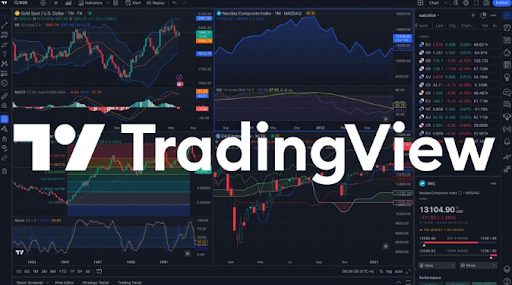
Trapped traders are not an incidental occurrence but a structural feature of the market, and understanding where they are positioned and why produces some of the more actionable insights that price action analysis offers traders in practice. Once traders find themselves on the wrong side of a move, the management of those positions, and ultimately their decision to exit, generates predictable price action at identifiable levels that informed traders can anticipate and use. The platform combines the historical depth, multi-timeframe visibility, and annotation tools required to build a trapped trader framework in a way that fewer analytical environments can match.
The underlying dynamic is straightforward. Traders who entered long and now hold losing positions face increasing pressure as the market continues to move against them. Those exits add to the directional pressure already in place, whether a sell to close a long or a buy to close a short, and the cumulative effect helps account for moves that extend further than momentum alone would drive. Knowing where those trapped positions are concentrated gives traders a basis for anticipating where the next wave of directional fuel is sitting.
False breakouts are the most reliable generator of trapped positions, producing a specific sequence: price clears a meaningful level, attracts entries, and then reverses back through it. That sequence creates a population of long-side traders who entered above the level and now hold losing positions, with stop-loss orders clustered below the point of entry. The combination of a break, a reversal, and that concentration of stops forms a recognizable chart pattern, and when price subsequently approaches the area where those orders are sitting, traders have a structural basis for anticipating selling pressure rather than simply observing it after the fact.
Wick analysis complements false breakout identification and works effectively on TradingView charts for locating trapped positions at price extremes. A long upper wick on a daily candle indicates that price extended well above the session’s range before pulling back, leaving behind traders whose positions moved against them during that extension. Price returning to a wick extreme arrives at a level populated by trapped longs whose positions have been underwater since the wick formed. The knowledge that stop-loss orders are clustered there gives the level a dimension that a conventionally drawn support line does not carry, and annotating the chart with that implication makes the positional context a permanent part of the analytical record rather than something inferred fresh each time.
Time-based trapping works differently from false breakout trapping. Here, traders enter on a breakout or signal that neither confirms nor invalidates, leaving them in a consolidation that grinds without hitting their stops. As that structure extends, the participants holding those entries grow progressively more disposed to exit at any reasonable opportunity, and the pressure released when they do often produces a sharper move than the chart’s momentum profile would suggest.
The value of trapped trader analysis using TradingView charts is that it adds a positional dimension to market reading, supplementing price and indicator data with an understanding of where other participants entered, where their pain levels are, and what their likely exit behavior will produce. Building that picture requires methodical chart work across historical data, which the platform supports through its archival depth and annotation capabilities. Traders who develop this framework consistently describe it as a qualitatively different mode of analysis from indicator-based approaches alone, one in which the market’s structural behavior becomes more explicable and less apparently random.